Transparent LED screens are quickly becoming one of the most innovative display technologies in modern architecture and advertising. In a city like Dubai, known for its futuristic skyline, luxury retail spaces, and cutting-edge digital experiences, these screens are not just a trend, but a strategic investment. Businesses, architects, and designers are using them to create visually stunning environments without blocking natural light or visibility.
This guide explains how transparent LED screens work, where they are best used in Dubai, and what makes them different from traditional LED displays. It’s written from a practical, real-world perspective so you can make informed decisions based on performance, environment, and ROI.
What Are Transparent LED Screens?
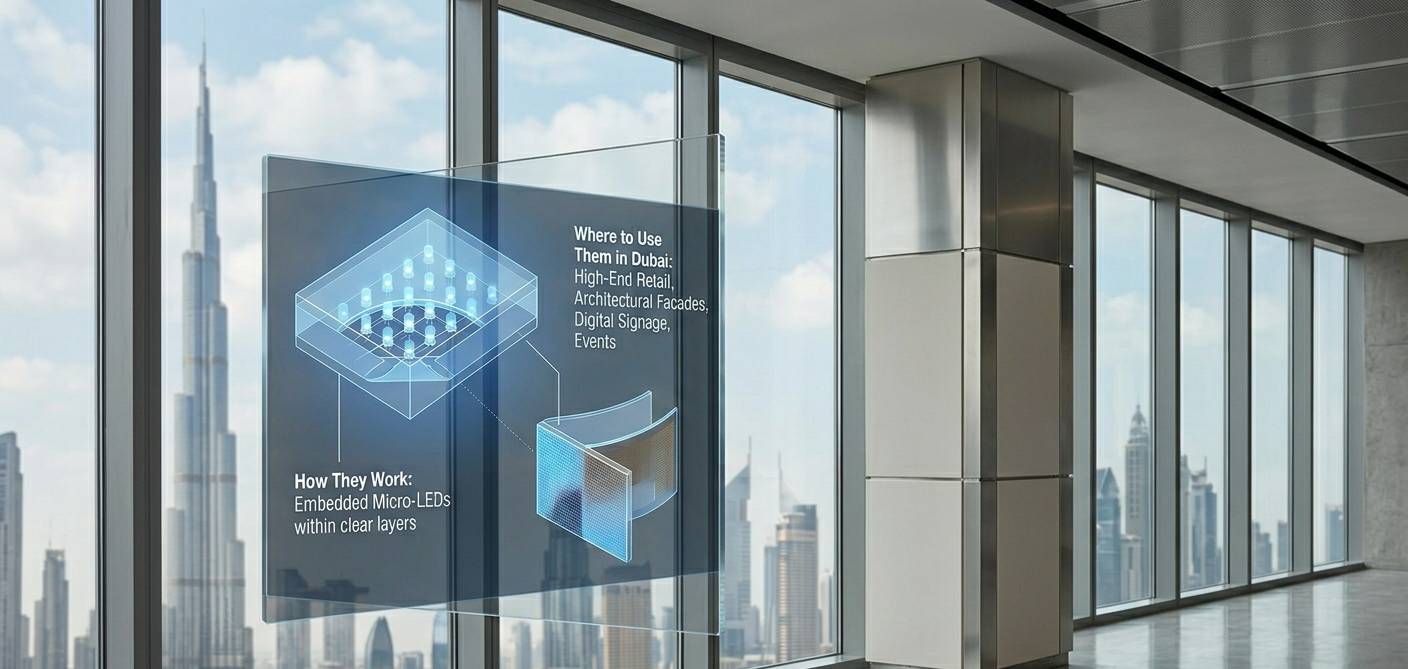
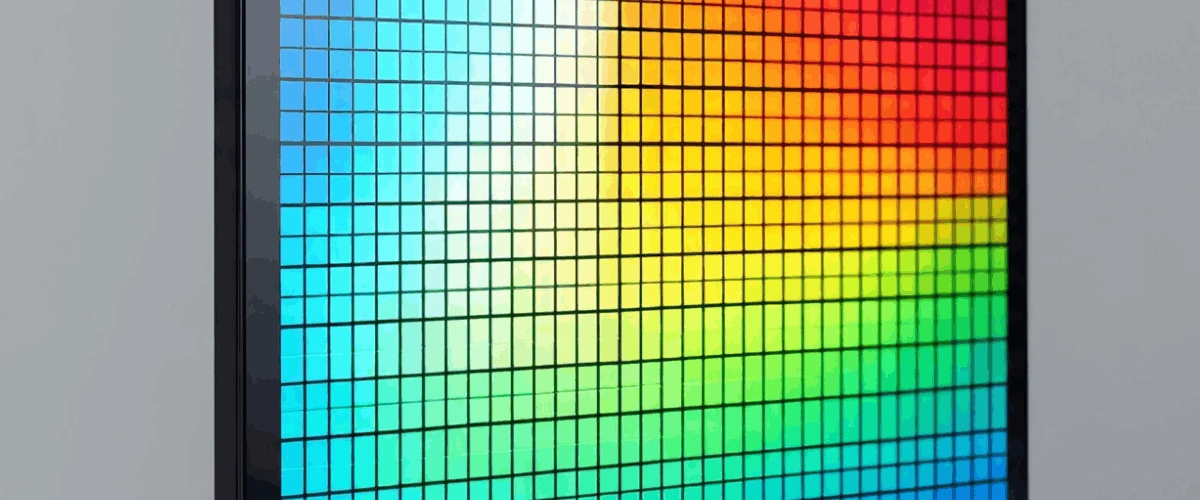
Transparent LED screens are digital displays that allow light to pass through them while still showing high-quality content. Unlike traditional LED panels, these screens have a grid-like structure with gaps between LEDs, which creates transparency. This design allows viewers to see both the displayed content and what’s behind the screen at the same time.
In Dubai, this feature is especially valuable because many buildings use glass facades. Instead of covering these facades with bulky screens, transparent LEDs integrate seamlessly, maintaining the building’s design while adding digital functionality. This balance between aesthetics and technology is one of the biggest reasons for their growing demand.
How Transparent LED Screens Work
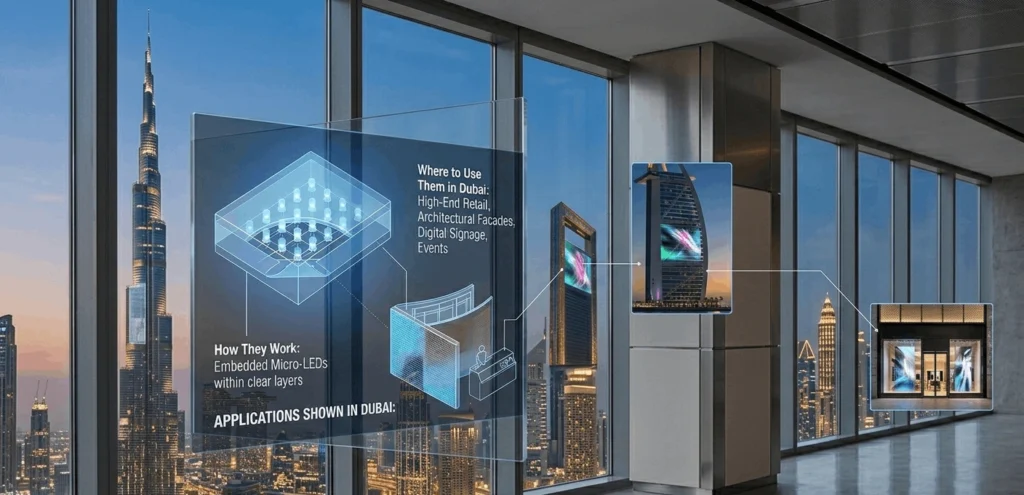
At the core of transparent LED screens is a carefully engineered arrangement of LED strips mounted on a transparent substrate, often glass or acrylic. These strips are spaced in a way that creates gaps, allowing light and visibility through the display.
Each LED functions like a pixel, and when combined, they produce images and videos. The spacing between the LEDs determines the transparency level, more spacing means higher transparency but lower resolution, while tighter spacing improves image clarity but reduces transparency.
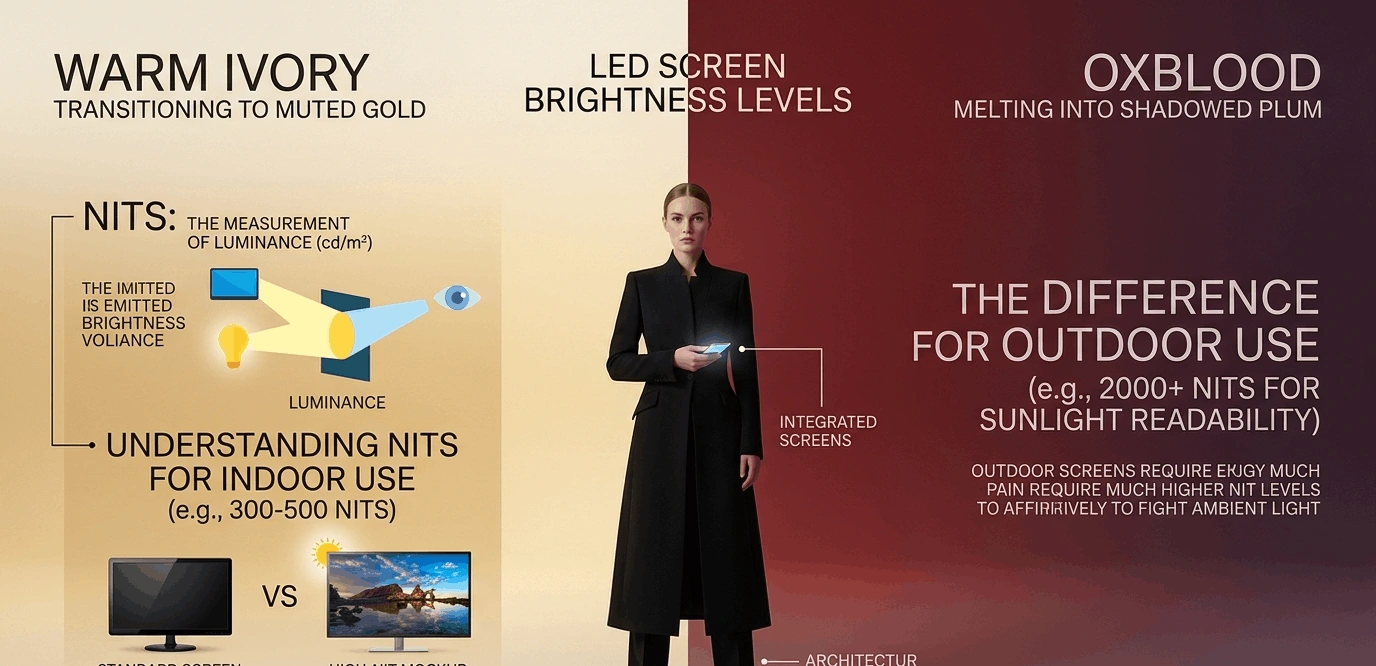
In Dubai’s high-brightness environments, these screens are designed with strong luminance levels to ensure visibility even under direct sunlight. Advanced control systems adjust brightness automatically based on ambient light, which helps maintain image quality while reducing power consumption.
Key Features That Make Them Unique
Transparent LED screens offer several advantages that make them ideal for modern installations. One of the most important is their ability to maintain visibility through glass surfaces. This makes them perfect for retail storefronts where businesses want to display advertisements without blocking the interior view.
They are also lightweight compared to traditional LED panels, which reduces structural load—an important factor in high-rise buildings across Dubai. Additionally, their modular design allows easy installation and maintenance, saving both time and operational costs.
Another key feature is energy efficiency. Because there is less material and fewer LEDs compared to solid screens, they consume less power, making them a more sustainable option in the long run.
Why Transparent LED Screens Are Perfect for Dubai
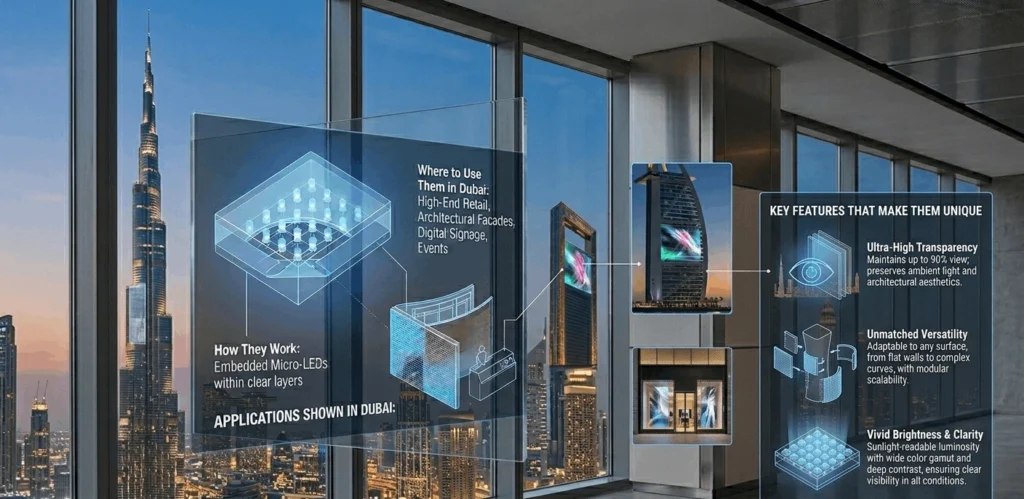
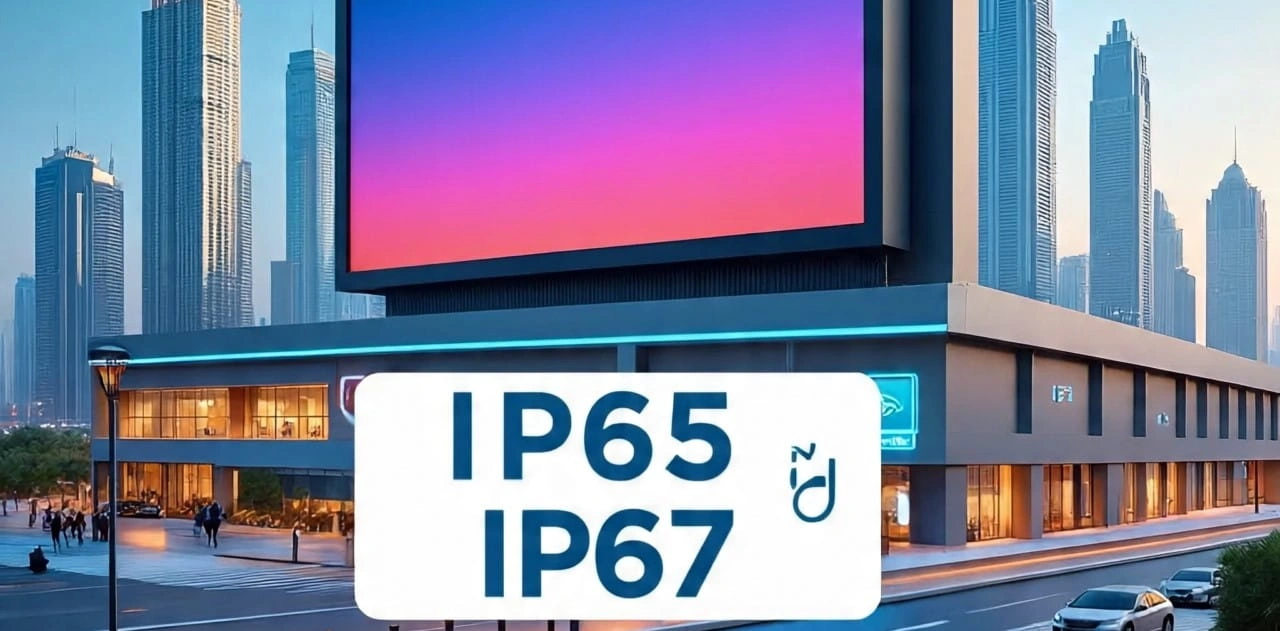
Dubai’s environment presents unique challenges, extreme heat, strong sunlight, dust, and occasional humidity. Transparent LED screens used in this region are built to withstand these conditions. High-quality models come with proper heat dissipation systems and protective coatings that ensure durability.
The city’s architecture also plays a major role. With so many glass-heavy buildings, traditional displays often compromise design. Transparent screens solve this problem by blending technology with architecture. They enhance visual appeal without disrupting the original structure.
Moreover, Dubai is a global hub for tourism and luxury retail. Businesses are constantly competing for attention, and transparent LED screens provide a premium, eye-catching way to stand out.
Common Use Cases in Dubai
Transparent LED screens are used across multiple industries in Dubai, each benefiting from their unique capabilities.
Retail Storefronts
Retail brands use these screens on glass windows to display promotions, videos, and brand messages. Customers can still see inside the store, which encourages foot traffic while delivering engaging content.
Shopping Malls
Malls in Dubai are known for their immersive experiences. Transparent screens are installed on glass railings, atriums, and escalators to create dynamic advertising spaces without blocking visibility.
Corporate Offices
Companies use these screens in lobbies and meeting areas to showcase branding, presentations, or digital art. They add a modern, high-tech feel to corporate environments.
Hotels and Hospitality
Luxury hotels use transparent LED displays for decorative and informational purposes. They enhance guest experiences while maintaining elegant interiors.
Exhibitions and Events
Trade shows and exhibitions often use transparent screens for booths and stages. They create a futuristic look that attracts attention and enhances presentations.
Installation Considerations for UAE Conditions
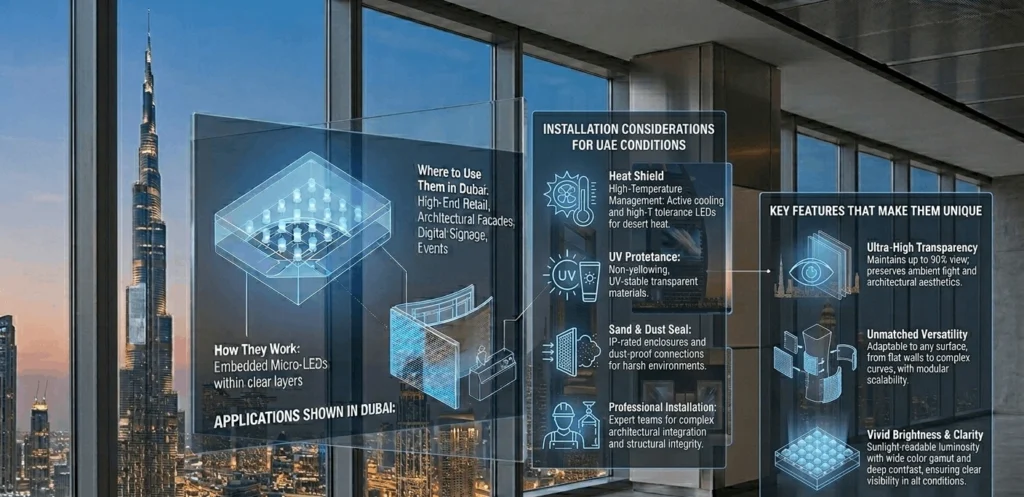
Installing transparent LED screens in Dubai requires careful planning. The climate demands materials that can handle high temperatures and dust exposure. Proper sealing and ventilation are essential to ensure long-term performance.
Mounting structure is another critical factor. Since many installations are on glass surfaces, the supporting framework must be both strong and discreet. Electrical components should also be protected against voltage fluctuations, which can occur in large commercial setups.
It’s also important to consider viewing distance. Transparent screens typically have larger pixel pitches compared to traditional displays, so they work best when viewed from a certain distance. Choosing the right specification based on location is key to achieving the best results.
Maintenance and Longevity
Transparent LED screens are relatively low maintenance, but regular care is still necessary to ensure optimal performance. Dust accumulation is common in Dubai, so periodic cleaning is essential. Fortunately, their open design makes cleaning easier compared to solid panels.
Most high-quality screens are designed for long lifespans, often exceeding 50,000 hours of operation. Proper installation and routine maintenance can extend this even further. It’s also recommended to use professional monitoring systems that can detect issues early and prevent major failures.
Cost vs Value: Are They Worth It?
Transparent LED screens may have a higher initial cost compared to traditional displays, but they offer significant long-term value. Their ability to combine advertising with architectural aesthetics means you get dual functionality from a single installation.
In Dubai’s competitive market, standing out visually can directly impact customer engagement and sales. Businesses that invest in innovative display technologies often see better brand recognition and higher foot traffic.
When considering ROI, it’s important to factor in energy savings, durability, and reduced maintenance costs. Over time, these benefits can offset the initial investment.
Choosing the Right Transparent LED Screen
Selecting the right screen depends on several factors, including location, purpose, and budget. For example, a retail storefront may prioritize higher transparency, while an indoor corporate display might focus on resolution and image quality.
Brightness levels are crucial for outdoor or high-light environments. Screens used in Dubai must be capable of delivering clear visuals even in strong sunlight. It’s also important to choose a reliable supplier who understands local conditions and can provide proper support.
If you are exploring premium solutions, you can check out Best transparent Led screens to find options that match your project requirements.
Future of Transparent LED Technology in Dubai
The demand for transparent LED screens in Dubai is expected to grow rapidly. As the city continues to invest in smart infrastructure and digital transformation, these displays will play a key role in shaping urban experiences.
Advancements in technology are also improving resolution, transparency, and energy efficiency. In the future, we can expect even more seamless integration with glass surfaces, making buildings fully interactive without compromising design.
From smart retail to interactive architecture, transparent LED screens are set to redefine how digital content is displayed in urban environments.
Final Thoughts
Transparent LED screens are more than just a display solution, they are a blend of technology, design, and functionality. In a city like Dubai, where innovation and aesthetics go hand in hand, they offer a unique way to enhance both.
By understanding how they work and where they are best used, businesses can make smarter decisions and stay ahead in a competitive market. Whether it’s a retail store, corporate office, or large-scale event, transparent LED screens provide a modern, impactful way to communicate and engage with audiences.