Brightness is one of the most critical factors for LED screen performance. Measured in nits, it determines how visible your content is under varying lighting conditions. Choosing the correct brightness ensures readability, vibrant colors, and viewer engagement. Businesses investing in digital displays must understand nits to maximize ROI and avoid poor visibility, whether indoors or outdoors.
What Are Nits in LED Screens and Why They Matter
A “nit” is a unit of luminance, equal to one candela per square meter. Essentially, it tells you how bright a display can get. For businesses, nits influence content visibility, especially in high-ambient-light conditions. Proper nit selection ensures that images remain clear, colors accurate, and messages readable. This is vital for B2B buyers who rely on LED screens for branding, corporate communication, and public engagement.
Indoor LED Screens: Optimal Brightness for Controlled Spaces
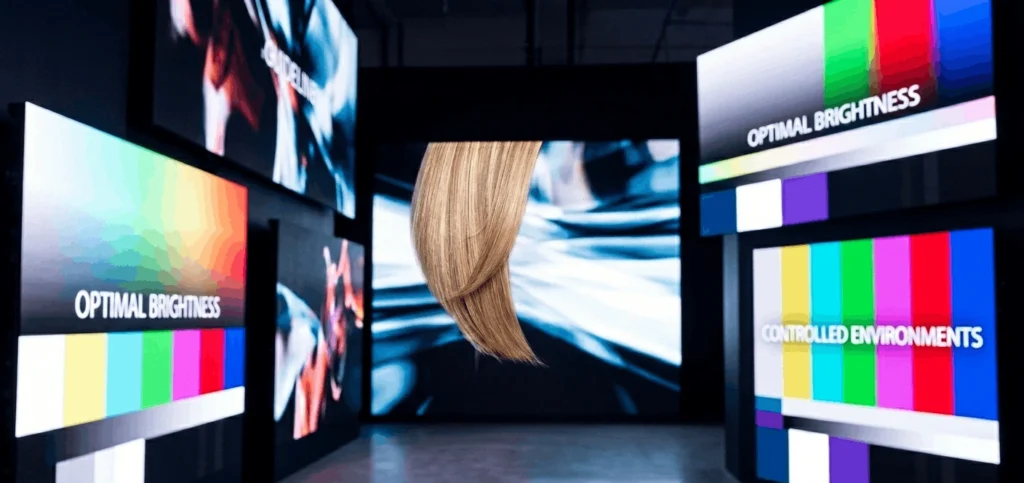
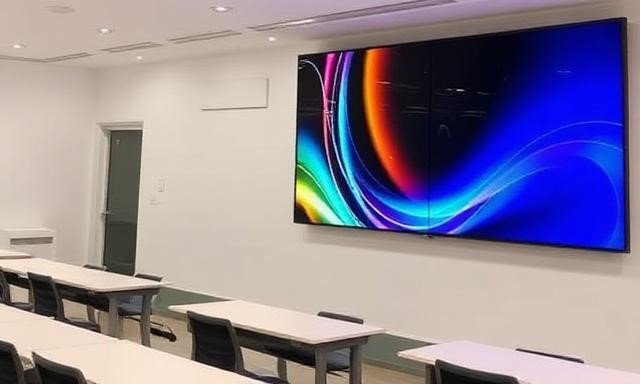
Indoor LED screens operate in controlled lighting conditions like retail stores, office lobbies, and exhibition halls. Brightness typically ranges from 800 to 1,500 nits, enough to maintain sharp visuals without glare. Correct indoor brightness improves readability, color accuracy, and viewer comfort. Companies using displays for presentations or marketing can enhance engagement while preventing eye strain.
Why Choosing the Right LED Technology Matters
Businesses looking for reliable indoor displays often choose high-quality screens that adapt to ambient light. For example, using Led indoor modern screens in offices, showrooms, and conference rooms ensures consistent brightness and color clarity. These modern solutions combine high visual performance with energy efficiency, providing long-term value for B2B clients who want professional, durable displays for indoor applications.
Outdoor LED Screens: High Nits for Maximum Visibility
Outdoor LED screens face direct sunlight, reflections, and environmental challenges. Typical brightness ranges from 3,000 to 10,000 nits, depending on location and exposure. High-nit screens maintain content visibility even under harsh daylight, making them ideal for billboards, stadium screens, and public displays. For businesses investing in outdoor advertising, higher brightness ensures maximum readability and viewer engagement, even from a distance.
Key Differences Between Indoor and Outdoor Brightness Needs
The main difference is exposure. Indoor screens benefit from moderate brightness to prevent glare, while outdoor displays need high nits to remain legible under sunlight. Understanding this distinction helps businesses choose the right technology for each environment, reducing energy costs and maintenance while improving viewer experience. Selecting appropriate nit levels also ensures durability and consistent content visibility.
Energy Efficiency Considerations for High-Brightness LED Screens
Higher brightness levels increase energy consumption, especially for outdoor applications. Modern LED technology includes adaptive brightness controls, energy-efficient drivers, and smart dimming features. For B2B buyers, this translates into lower operational costs, longer lifespan, and sustainability compliance without sacrificing visibility. Proper planning of nit levels ensures energy-efficient, high-performance displays that serve both indoor and outdoor needs.
Viewing Distance and Brightness: Matching the Right Nits
Viewing distance impacts required brightness. Outdoor screens or large-format billboards require high nits for long-distance readability, while indoor displays need moderate brightness for close-range viewing. Matching brightness to viewing distance ensures that content remains sharp, readable, and visually appealing. Businesses benefit from tailored solutions that prevent oversaturation, save energy, and maintain professional display quality.
Maintenance, Durability, and Long-Term Performance
High-quality LED screens maintain brightness for years with minimal degradation. Indoor screens with moderate nits experience less wear, while outdoor high-nit displays are designed to resist sunlight, moisture, and dust. Suppliers provide guidance for maintenance, including periodic calibration and cleaning. Proper care and installation ensure long-term performance, making LED screens a valuable investment for businesses seeking durability and consistent visual quality.
Benefits of Choosing the Right Brightness Level
Correct nit selection ensures better visibility, energy efficiency, and professional display performance. Businesses enjoy improved engagement, enhanced brand messaging, and lower operational costs. Using expert advice to determine the appropriate brightness levels for indoor and outdoor environments reduces screen wear, extends lifespan, and maximizes ROI. High-quality LED technology guarantees content is seen clearly by all intended audiences.
Conclusion: Maximizing ROI Through Expert LED Selection
Understanding nits is critical for any business investing in LED screens. Indoor displays require moderate brightness for clarity and comfort, while outdoor displays need high nits to withstand sunlight and environmental challenges. Incorporating modern solutions like Led indoor modern screens ensures consistent visual performance, energy efficiency, and long-term value, supporting professional branding and audience engagement across all environments.