When it comes to organizing a memorable event, visuals are everything. Whether it’s a corporate conference, wedding, exhibition, concert, or product launch, the way your content is displayed can define the entire experience. This is where rental LED screens for events become a game-changer.
Over the years, LED screen rentals have evolved from simple display tools into powerful visual systems that drive engagement, improve communication, and elevate brand presence. If you’re planning an event and want to make the right decisions, this guide will walk you through everything, from understanding LED technology to choosing the perfect setup like a true expert.
Understanding Event LED Screen Rentals
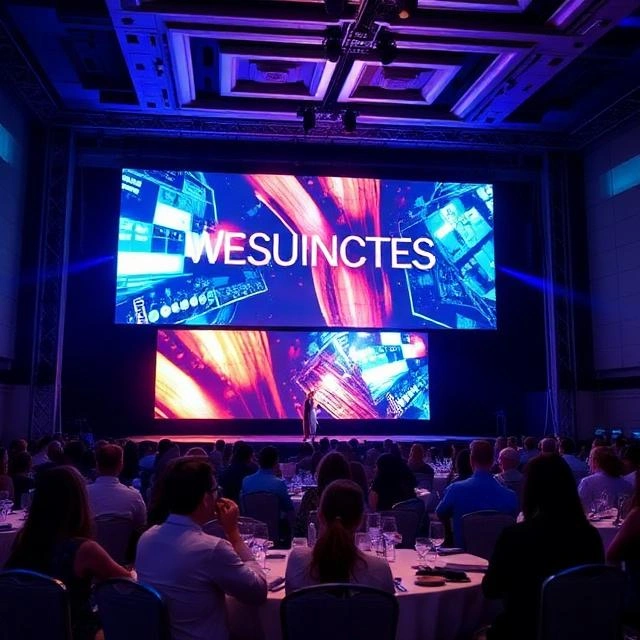
LED screen rental is the process of hiring high-quality LED display panels for temporary use at events. These screens are modular, meaning they can be assembled into different sizes and shapes depending on your event needs.
Unlike projectors, LED screens offer high brightness, sharp resolution, and visibility even in daylight. This makes them ideal for both indoor and outdoor events.
As an expert, the first thing you should understand is this: LED screens are not just equipment; they are communication tools. The right screen setup can enhance audience engagement, while the wrong one can ruin the experience.
Why LED Screens Are Essential for Modern Events
In today’s event landscape, audiences expect immersive experiences. Static banners and small displays no longer capture attention effectively.
LED screens provide:
- High brightness for clear visibility in any lighting condition
- Dynamic content display including videos, animations, and live feeds
- Scalability for both small and large audiences
- Professional appearance that enhances brand perception
From my experience, events that invest in high-quality LED displays always stand out. The difference is not subtle, it’s dramatic.
Types of LED Screens for Events
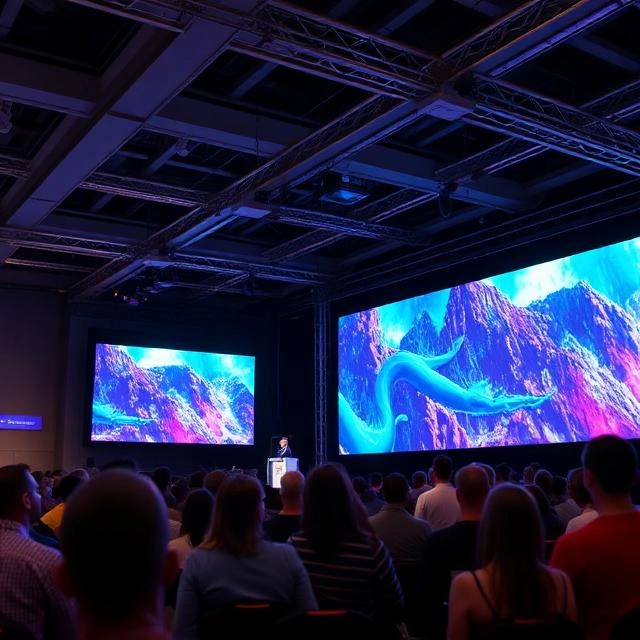
Choosing the right type of LED screen is critical. Each type serves a specific purpose, and selecting the wrong one can impact visibility and audience experience.
Indoor LED Screens
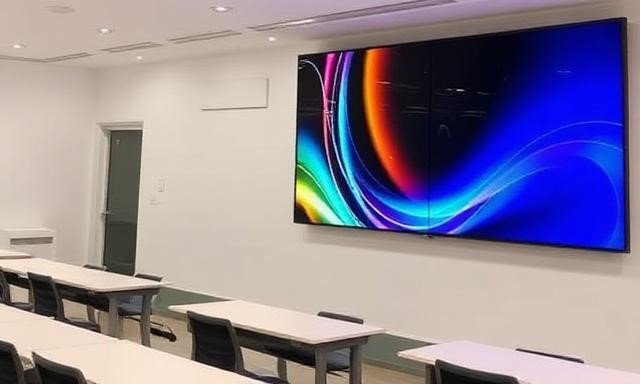
These screens are designed for controlled lighting environments such as conference halls, exhibitions, and weddings. They offer higher resolution and closer viewing distances.
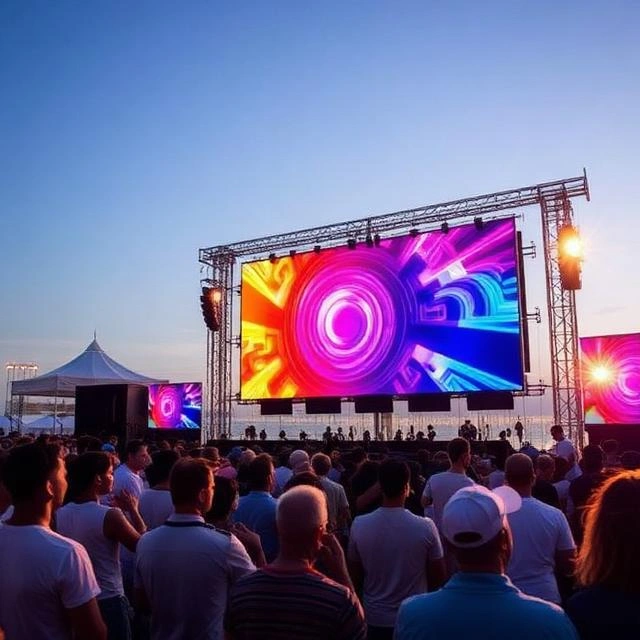
Outdoor LED Screens
Outdoor LED screens are built to handle sunlight, dust, and weather conditions. They are brighter and more durable, making them ideal for concerts, festivals, and public events.
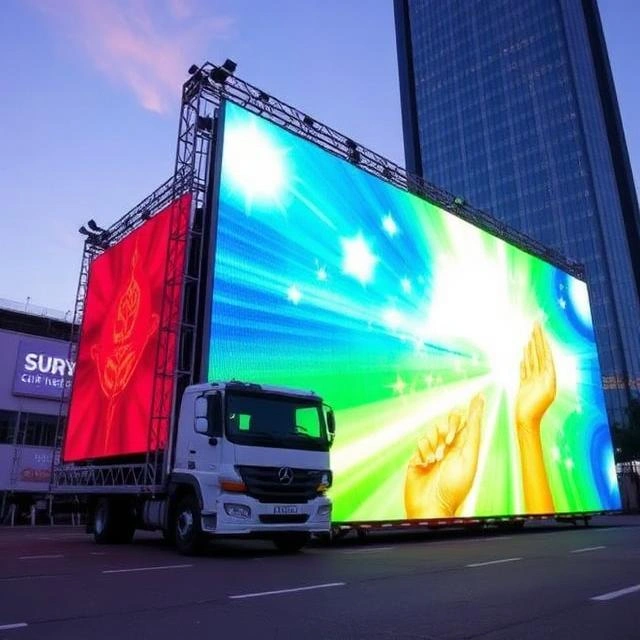
Mobile LED Screens
Mounted on trucks or trailers, mobile LED screens are perfect for roadshows, outdoor promotions, and large-scale public gatherings.
Curved and Creative LED Displays
For premium events, curved LED screens or custom shapes create a visually stunning impact. These are commonly used in luxury brand launches and high-end corporate events.
Key Factors to Consider Before Renting LED Screens
This is where experience truly matters. Many event planners make costly mistakes because they overlook critical technical details.
Pixel Pitch (Resolution)
Pixel pitch determines the clarity of the screen. Lower pixel pitch means higher resolution.
- P2 to P3: Ideal for indoor events
- P4 to P6: Suitable for medium viewing distance
- P8 and above: Best for outdoor large-scale events
Choosing the wrong pixel pitch is one of the most common mistakes.
Screen Size and Viewing Distance
Always calculate the audience distance before deciding screen size. A small screen in a large venue will fail to engage the audience.
As a rule:
- Larger audience = Bigger screen
- Closer audience = Higher resolution
Brightness Levels
Outdoor events require higher brightness to compete with sunlight. Indoor screens do not need extreme brightness but should still be clear and vibrant.
Content Type
Your content defines your screen requirements. If you’re displaying:
- Text-heavy presentations → Need high resolution
- Videos and animations → Need good refresh rate and color accuracy
- Live streaming → Need reliable signal processing
Event-Specific LED Screen Recommendations
Corporate Events
For conferences and seminars, clarity is key. Use high-resolution indoor LED screens to display presentations, charts, and live feeds.
Weddings and Private Events
LED screens add a luxury touch by displaying live moments, videos, and custom visuals. Soft brightness and elegant design matter here.
Concerts and Festivals
Large outdoor LED screens are essential for crowd engagement. Side screens and main stage displays ensure visibility for all attendees.
Exhibitions and Trade Shows
LED screens help brands stand out in crowded environments. Bright, dynamic visuals attract visitors and increase booth engagement.
Technical Setup and Installation
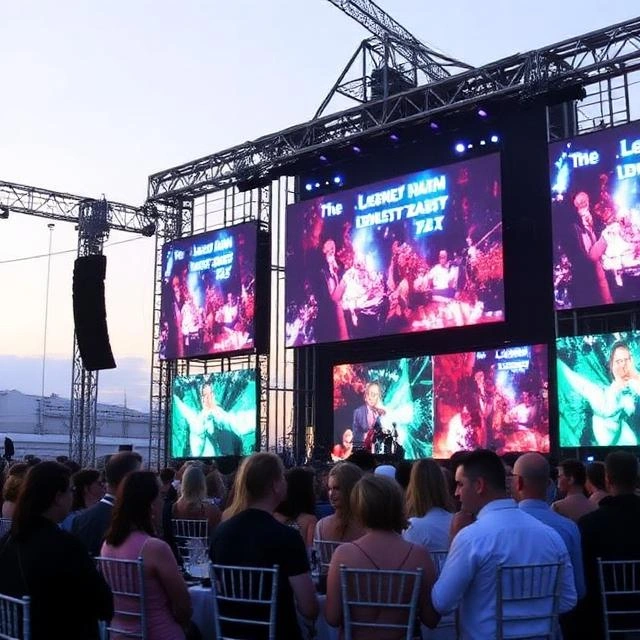
A professional LED screen setup involves more than just placing panels.
Structure and Rigging
Screens must be securely mounted using trusses or ground support systems. Safety is non-negotiable.
Power Requirements
LED screens consume significant power. Always ensure proper power supply and backup systems.
Signal and Control Systems
Content is controlled through video processors and controllers. These systems ensure smooth playback and synchronization.
On-Site Support
Always hire a rental provider that offers technical support during the event. Issues can arise, and quick resolution is critical.
Common Mistakes to Avoid
Even experienced planners sometimes overlook important details. Avoid these mistakes:
- Choosing low-cost providers with poor-quality screens
- Ignoring pixel pitch and resolution requirements
- Underestimating screen size
- Not testing content before the event
- Skipping backup systems
From experience, cutting corners on LED screens often leads to poor audience experience and brand damage.
Cost Factors in LED Screen Rental
Understanding pricing helps you plan better and avoid overpaying.
Key cost factors include:
- Screen size and resolution
- Rental duration
- Indoor vs outdoor setup
- Installation complexity
- Additional equipment (sound, truss, controllers)
While budget matters, always prioritize quality. A cheaper screen that fails during the event will cost more in reputation.
Benefits of Renting vs Buying
For events, renting is almost always the better option.
Renting Advantages
- No maintenance cost
- Access to latest technology
- Professional setup and support
- Cost-effective for short-term use
Buying LED screens only makes sense for companies hosting frequent events.
How to Choose the Right LED Screen Rental Provider
Your supplier is just as important as the equipment.
Look for:
- Proven experience in event setups
- High-quality, well-maintained equipment
- Strong portfolio of past events
- On-site technical support
- Transparent pricing
A reliable provider acts as a partner, not just a vendor.
Advanced Tips from Industry Experience
Here are insights that separate beginners from experts:
Always Do a Site Inspection
Visit the venue before finalizing screen size and placement.
Test Content in Advance
Ensure your videos and graphics match the screen resolution.
Plan for Redundancy
Have backup power and signal systems in place.
Use Creative Layouts
Don’t limit yourself to rectangular screens, creative designs enhance visual impact.
Focus on Audience Experience
Always think from the audience perspective. Visibility, clarity, and engagement should guide every decision.
Future Trends in Event LED Screens
The industry is evolving rapidly with innovations like:
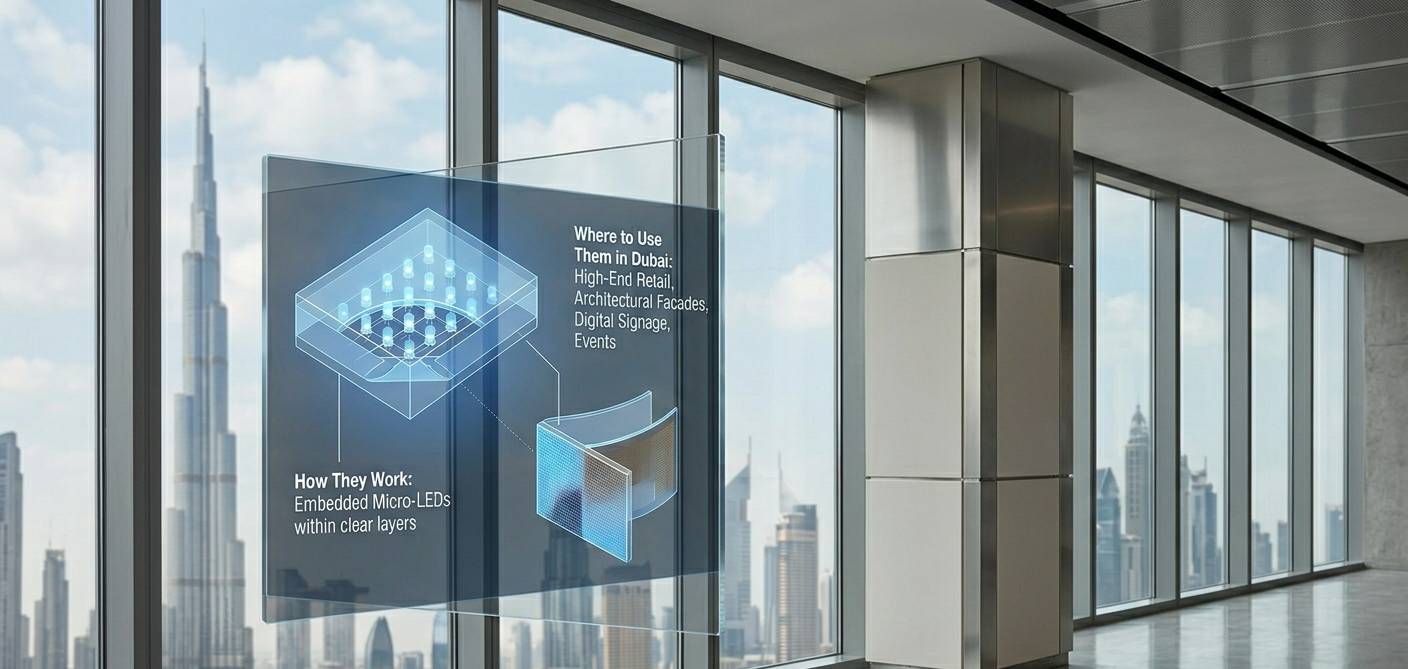
- Transparent LED screens
- Interactive touch displays
- 3D LED visuals
- AI-driven content integration
Staying updated with these trends helps you deliver cutting-edge experiences.
Final Thoughts
Event LED screen rental is not just about hiring equipment, it’s about creating an unforgettable visual experience. The right screen setup enhances communication, engages audiences, and elevates your event to a professional level.
From understanding pixel pitch to choosing the right supplier, every decision plays a crucial role. When done correctly, LED screens become the centerpiece of your event, capturing attention and leaving a lasting impression.
If you approach LED screen rentals with the mindset of an expert, focusing on quality, planning, and audience experience, you will not just organize events, you will create experiences that people remember.