LED screens have become one of the most important display technologies in modern advertising, entertainment, retail branding, stadium broadcasting, transportation systems, corporate communication, and digital signage. Businesses worldwide now rely on LED displays because they offer exceptional brightness, long operational life, vibrant visuals, and energy-efficient performance compared to older display technologies.
However, one of the most common questions buyers ask before investing in digital signage is about the power consumption of LED screens. Whether someone is planning an indoor advertising display, outdoor billboard, stadium screen, retail video wall, or transparent LED installation, understanding electricity usage is critical for budgeting, operational efficiency, and long-term cost management.
Power consumption directly affects installation planning, electricity costs, cooling requirements, maintenance expectations, and overall return on investment. Choosing the right LED screen requires understanding how different technologies, pixel pitches, brightness levels, and usage conditions impact energy usage.
Businesses working with a professional Smart Led screens supplier usually receive guidance regarding power requirements, optimal configurations, and energy-saving solutions suitable for their project environment.
Understanding LED Screen Power Consumption
Power consumption refers to the amount of electrical energy an LED display uses during operation. It is generally measured in watts per square meter or kilowatts per hour depending on screen size and operating conditions.
LED screens do not consume the same amount of power continuously. Electricity usage changes according to:
- Brightness level
- Screen content
- Display size
- Pixel pitch
- Outdoor or indoor application
- Environmental lighting
- Color usage
- Operating duration
For example, a screen displaying bright white visuals consumes more electricity than one showing darker content because more LEDs operate at higher intensity levels.
This dynamic power behavior makes LED technology significantly more efficient than older traditional display systems.
Average Power Consumption of LED Screens
Most LED displays have two important power ratings:
- Maximum power consumption
- Average power consumption
Maximum power usage occurs when the display shows full white content at maximum brightness. This rarely happens during normal operation.
Average power consumption is much lower because real-world video content contains varying colors, movement, and brightness levels.
Typical average consumption values include:
- Indoor LED screens: 200–400 watts per square meter
- Outdoor LED screens: 300–800 watts per square meter
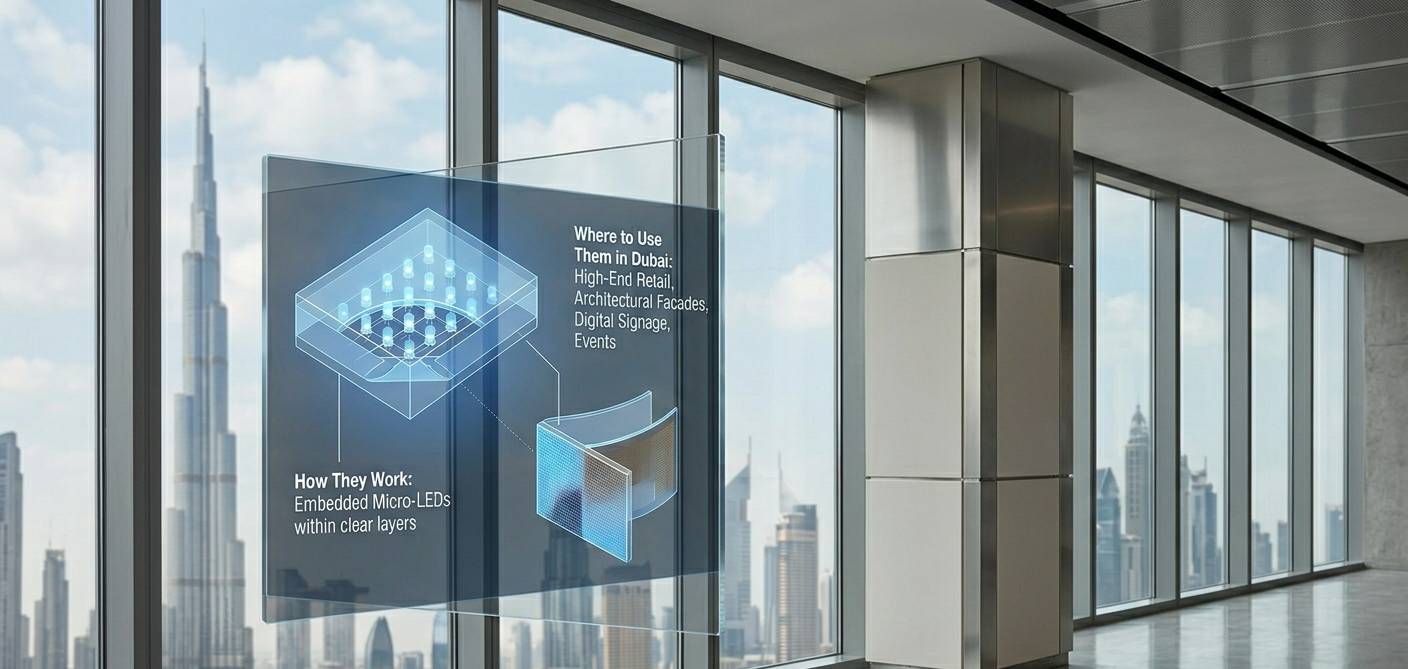
- Transparent LED screens: lower than standard outdoor displays
- Fine-pitch LED displays: optimized for energy efficiency
Modern LED technology is designed to minimize unnecessary energy waste while maintaining high brightness and image clarity.
Why LED Screens Are Energy Efficient
Compared to older technologies such as LCD video walls, plasma screens, projection systems, or fluorescent signage, LED displays are highly energy efficient.
Several factors contribute to this efficiency:
- Direct light emission
- Lower heat generation
- Smart brightness adjustment
- Advanced driver IC technology
- Efficient power supplies
- Automatic dimming systems
LED screens convert electrical energy into visible light more efficiently than traditional lighting technologies.
This means businesses can operate large advertising displays while controlling long-term electricity expenses.
Indoor LED Screen Power Usage
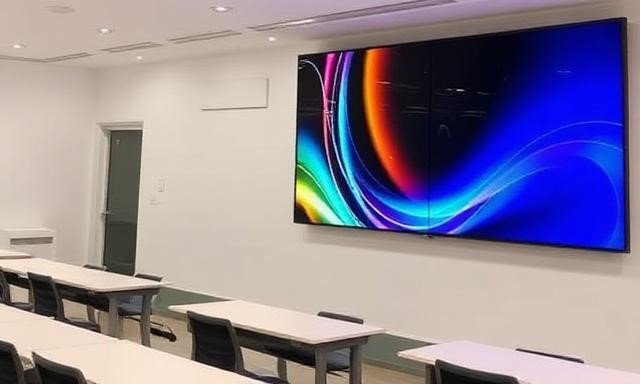
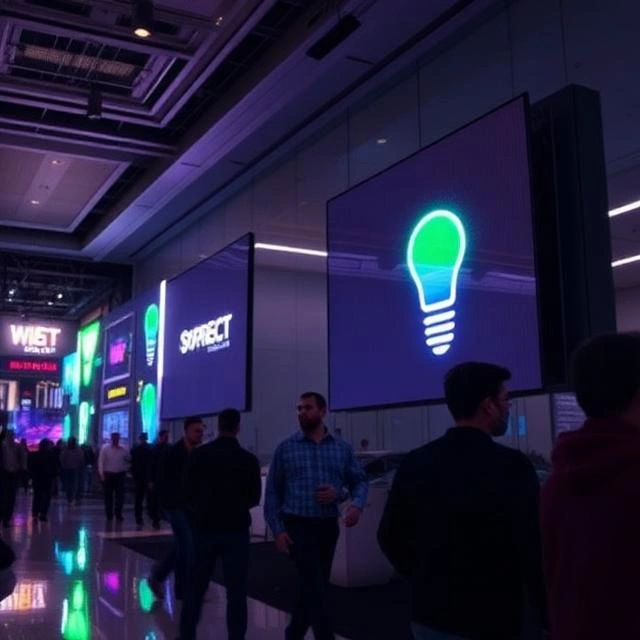
Indoor LED screens generally consume less power compared to outdoor displays because indoor environments require lower brightness levels.
Applications include:
- Retail stores
- Shopping malls
- Corporate offices
- Exhibition halls
- Conference rooms
- Control rooms
- Churches
- Airports
Indoor LED displays typically operate between 600 and 1500 nits brightness, reducing electricity demand significantly.
Fine-pitch LED walls designed for premium indoor environments are especially optimized for low power consumption while maintaining ultra-high image quality.
Outdoor LED Screen Electricity Consumption
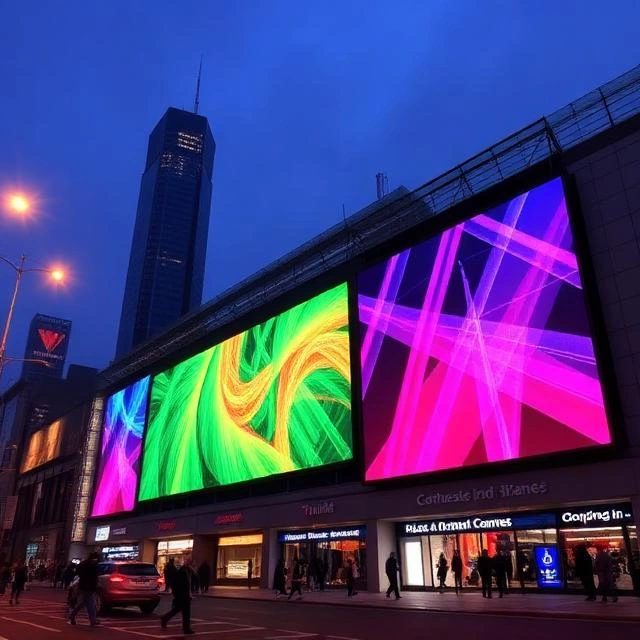
Outdoor LED displays consume more electricity because they must remain visible under direct sunlight and changing weather conditions.
Outdoor screens require:
- Higher brightness output
- Weatherproof systems
- Strong cooling systems
- Enhanced protection circuits
Brightness levels for outdoor LED billboards often exceed 5000 nits, increasing energy usage compared to indoor displays.
However, modern outdoor LED technology now includes intelligent brightness sensors that automatically adjust screen intensity according to daylight conditions. This helps reduce unnecessary power consumption during nighttime operation.
How Brightness Affects Power Consumption
Brightness is one of the biggest factors influencing LED screen energy usage.
Higher brightness requires:
- More electrical current
- Increased LED activity
- Additional heat dissipation
- Greater cooling demand
Many businesses assume maximum brightness is always necessary, but this is not true. Correct brightness calibration improves viewing comfort while reducing electricity costs.
Modern LED systems automatically optimize brightness according to ambient light conditions.
This smart brightness management significantly improves energy efficiency without compromising visibility.
Pixel Pitch and Energy Usage
Pixel pitch refers to the distance between LED pixels on a display.
Smaller pixel pitch means:
- Higher pixel density
- Sharper image quality
- More LEDs per square meter
Fine-pitch LED displays often use advanced technology to maintain energy efficiency despite higher pixel density.
Larger-pitch outdoor billboards may consume more power overall due to increased brightness demands.
Choosing the right pixel pitch is essential for balancing visual quality and operational efficiency.
LED Screen Size and Power Requirements
Naturally, larger LED screens consume more electricity because they contain more LED modules and power systems.
However, power usage should always be calculated based on:
- Screen dimensions
- Viewing distance
- Brightness requirements
- Operating hours
- Installation environment
For example:
- A small retail display may consume minimal electricity
- A stadium screen may require industrial-level power infrastructure
Professional planning ensures stable operation while avoiding electrical overload issues.
Smart Power Saving Technologies
Modern LED displays now include intelligent power-saving systems designed to optimize performance and reduce electricity consumption.
Common technologies include:
- Auto brightness adjustment
- Energy-efficient driver ICs
- Smart power management
- Dynamic contrast systems
- Sleep mode functionality
- Temperature monitoring systems
These innovations help businesses reduce operating costs significantly over long-term usage.
Advanced displays can reduce energy consumption substantially compared to older-generation LED systems.
Heat Generation and Cooling Efficiency
Heat directly affects LED performance and electricity efficiency.
Older display systems generated excessive heat, requiring powerful cooling equipment and increasing operational costs.
Modern LED screens produce less heat while using advanced thermal management systems to maintain stable operation.
Efficient cooling systems improve:
- LED lifespan
- Color consistency
- Electrical stability
- Power efficiency
Good ventilation and proper installation further reduce cooling requirements and operational costs.
Comparing LED Screens With Traditional Displays
When comparing energy usage, LED displays outperform many traditional technologies.
Compared to projection systems:
- Better brightness efficiency
- Lower maintenance
- Reduced bulb replacement costs
Compared to LCD video walls:
- Better scalability
- Improved brightness
- Lower long-term maintenance
Compared to neon signage:
- Much lower electricity usage
- Better lifespan
- Higher customization flexibility
This efficiency is one reason LED technology dominates modern advertising and commercial display markets.
Electricity Cost Calculations
Businesses often calculate LED operating costs based on:
- Screen size
- Average wattage
- Daily operating hours
- Local electricity rates
For example:
A 10-square-meter LED display operating at average consumption for 12 hours daily will consume significantly less electricity than older high-intensity display systems with similar visibility.
Accurate calculations help businesses estimate operational expenses before installation.
Environmental Benefits of Energy-Efficient LED Screens
Energy-efficient LED displays contribute to sustainability by reducing overall electricity demand.
Benefits include:
- Lower carbon emissions
- Reduced environmental impact
- Improved energy conservation
- Longer product lifespan
- Less electronic waste
Governments and businesses increasingly prefer energy-efficient digital signage solutions as part of green building initiatives and sustainability programs.
Choosing an Energy-Efficient LED Screen
Not all LED screens offer the same efficiency levels. Buyers should evaluate several factors before purchasing.
Important considerations include:
- Certified power supplies
- LED chip quality
- Driver IC technology
- Automatic brightness systems
- Heat management design
- Manufacturer reliability
- Power-saving certifications
High-quality LED displays may cost more initially but deliver substantial long-term savings through reduced electricity usage and maintenance costs.
Importance of Professional Installation
Improper installation can negatively affect energy performance.
Professional installers ensure:
- Stable electrical connections
- Proper ventilation
- Correct power distribution
- Safe load balancing
- Efficient cable management
These factors improve both safety and operational efficiency.
Businesses working with experienced professionals often achieve better long-term performance and reduced energy costs.
Future of LED Screen Energy Efficiency
LED technology continues evolving rapidly. Manufacturers are investing heavily in research to improve brightness performance while reducing electricity usage.
Future innovations may include:
- AI-controlled power optimization
- Ultra-low-energy LED chips
- Advanced thermal materials
- Smart environmental sensors
- Adaptive content-based power management
As technology improves, LED displays will become even more energy efficient while delivering higher brightness and visual performance.