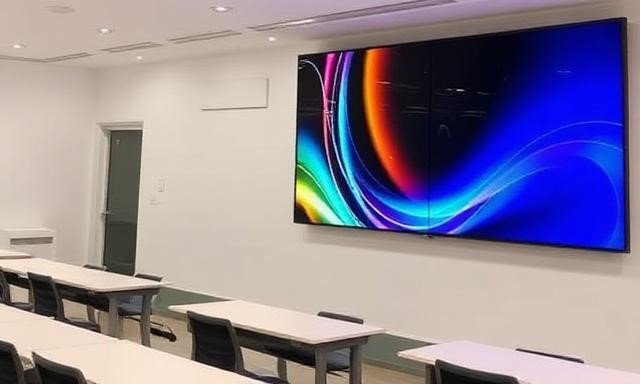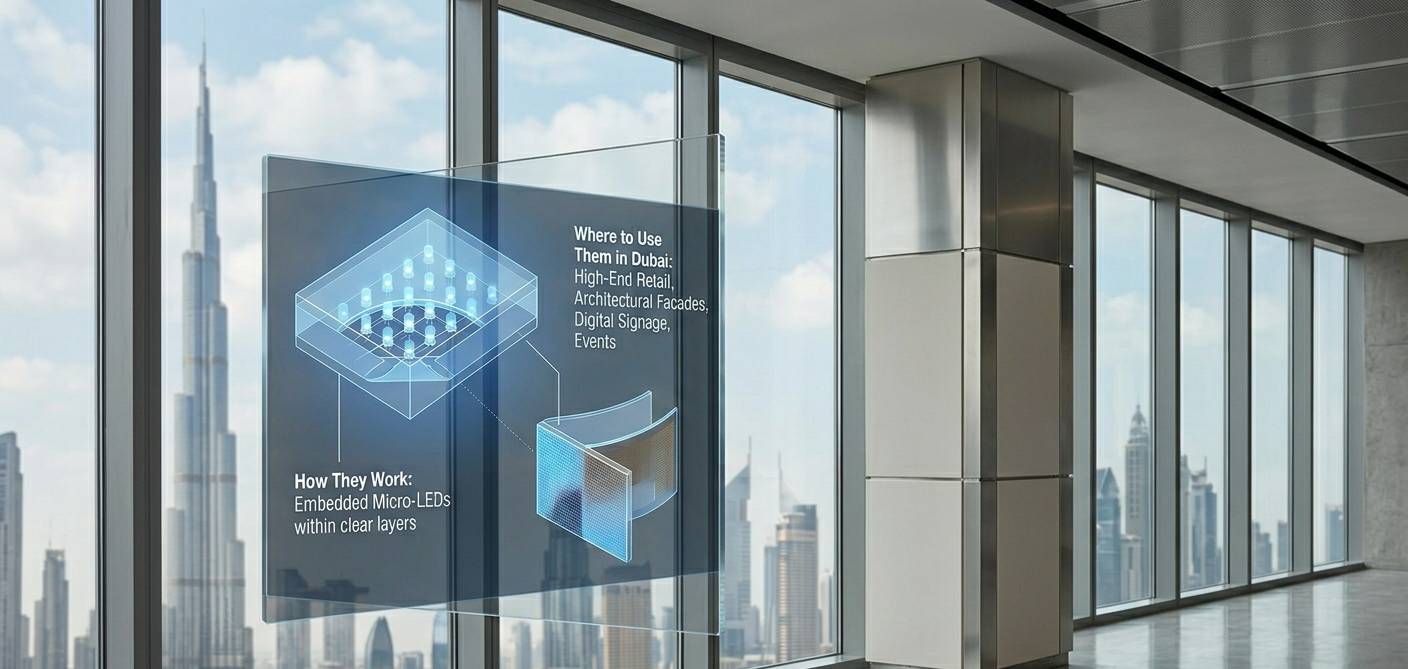
The education sector in the UAE is rapidly evolving, driven by innovation, smart technologies, and a strong focus on delivering world-class learning experiences. One of the most impactful advancements in modern education is the integration of LED screen technology across schools and universities. From interactive classrooms to large campus displays, LED screens are transforming how students learn, engage, and communicate.
This guide is written from an expert perspective to give you a complete understanding of how LED screens are used in educational environments, why they matter, and how institutions can implement them effectively.
The Shift Toward Digital Learning Environments
Education is no longer limited to textbooks and whiteboards. Today’s students are digital-first learners who respond better to visual and interactive content. Schools and universities in the UAE are adopting smart technologies to match global standards and improve academic outcomes.
LED screens play a central role in this transformation. They provide high-quality visuals, dynamic content display, and seamless integration with digital tools. Whether it’s a lecture, presentation, or campus announcement, LED screens make communication more engaging and effective.
Why LED Screens Are Ideal for Educational Institutions
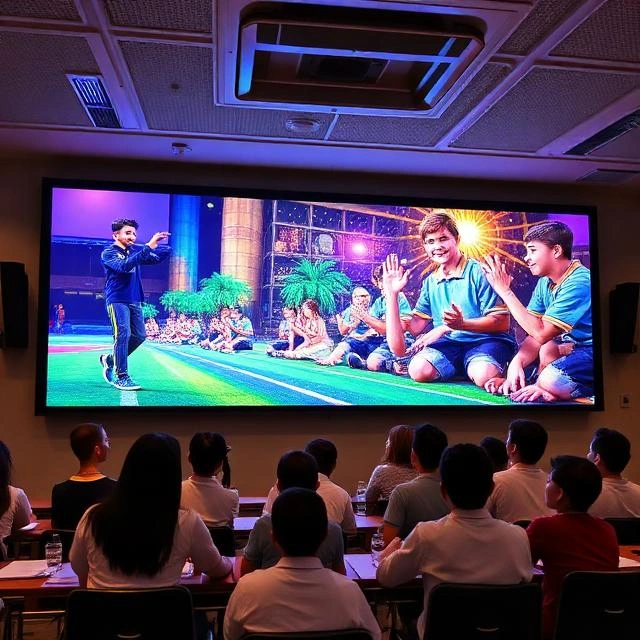
LED screens are not just an upgrade—they are a necessity in modern education systems.
High Visibility and Clarity
LED screens deliver bright and clear visuals, even in well-lit classrooms or outdoor environments. This ensures that every student, regardless of seating position, can see the content clearly.
Enhanced Engagement
Visual learning improves retention. Videos, animations, and interactive presentations displayed on LED screens keep students engaged and focused.
Versatility
From classrooms to auditoriums, LED screens can be used in multiple settings. Their modular design allows customization based on space and requirements.
Energy Efficiency
LED technology consumes less power compared to traditional display systems, making it cost-effective for large institutions.
LED Screens in Classrooms
Classrooms are the foundation of any educational institution, and LED screens are redefining how teaching is delivered.
Interactive Learning Experience
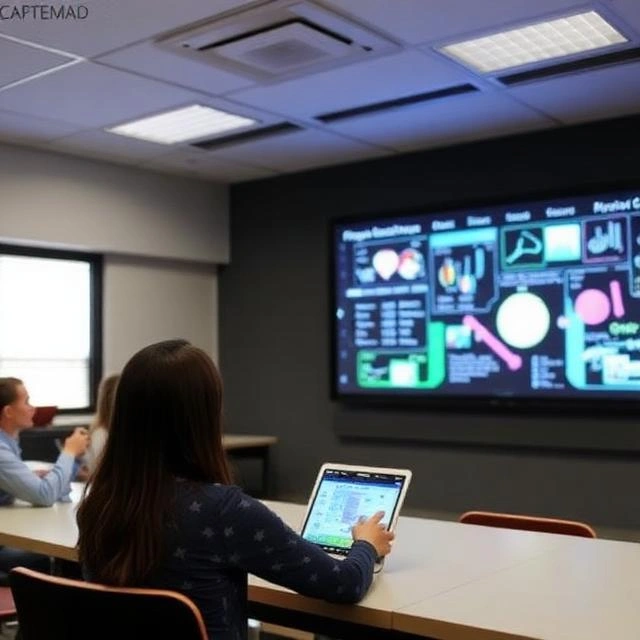
Teachers can use LED screens to display multimedia content, including videos, diagrams, and real-time data. This makes complex topics easier to understand.
Smart Classroom Integration
LED screens integrate seamlessly with smart boards, computers, and learning management systems. This creates a connected environment where teaching becomes more efficient.
Improved Student Participation
Interactive displays encourage students to participate in discussions, quizzes, and collaborative activities.
LED Screens in Lecture Halls and Auditoriums
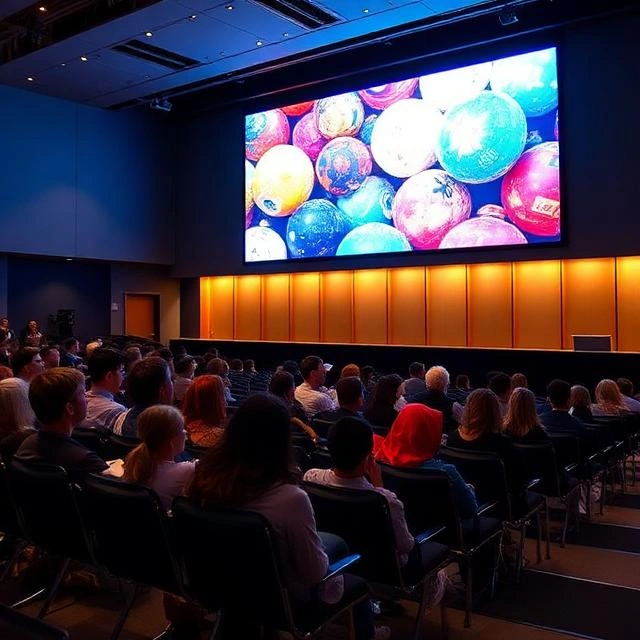
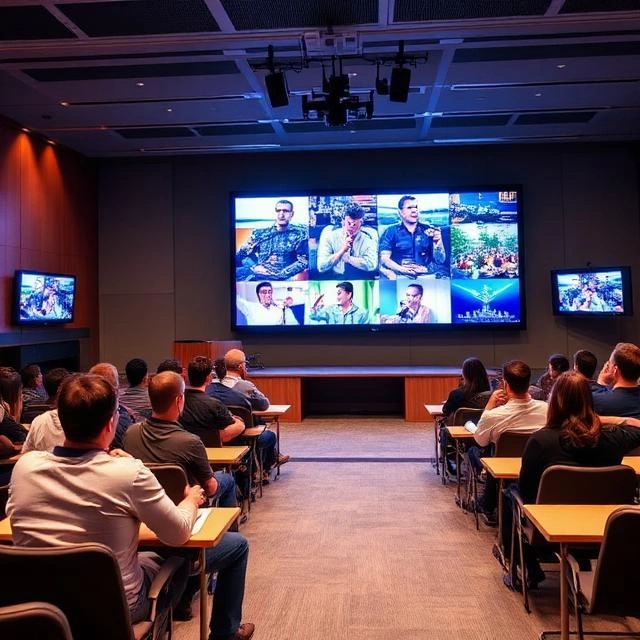
Large lecture halls require powerful display systems to ensure visibility for hundreds of students.
Large-Scale Visibility
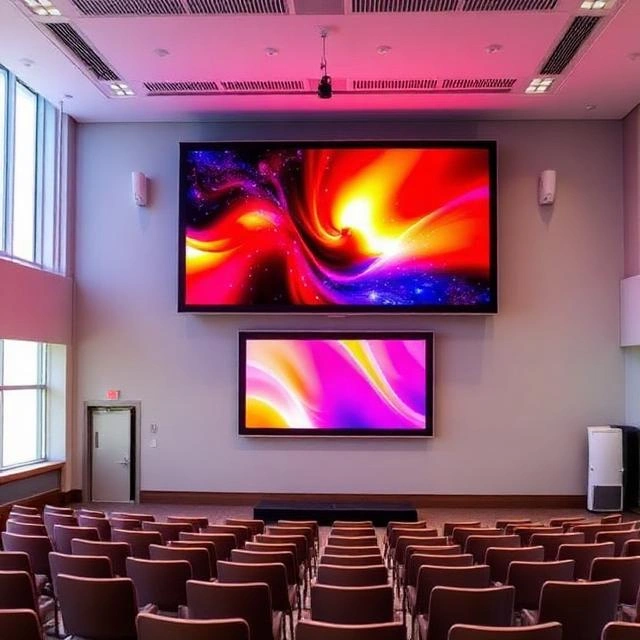
LED video walls provide high brightness and clarity, making them ideal for large audiences.
Live Streaming and Recording
Lectures can be broadcast live or recorded for future use, allowing students to revisit lessons anytime.
Professional Presentation
Guest lectures, seminars, and academic conferences benefit from high-quality visual displays that enhance professionalism.
Campus-Wide LED Displays
LED screens are not limited to classrooms. They are widely used across campuses for communication and branding.
Digital Notice Boards
Institutions can replace traditional notice boards with LED screens to display announcements, schedules, and updates in real time.
Wayfinding and Navigation
Large campuses can use LED displays to guide students and visitors, improving overall navigation.
Event Promotion
From cultural events to academic seminars, LED screens help promote activities and increase participation.
Outdoor LED Screens for Schools and Universities
Outdoor LED screens are designed to withstand harsh weather conditions and provide high brightness for visibility in sunlight.
Sports Facilities
Scoreboards and live match displays enhance the experience for players and spectators.
Open Areas and Courtyards
Outdoor screens can be used for announcements, celebrations, and public screenings.
Branding and Identity
Institutions can showcase their achievements, values, and events, strengthening their brand image.
Choosing the Right LED Screen for Educational Use
Selecting the right LED screen requires careful consideration of several factors.
Pixel Pitch
Pixel pitch determines screen resolution. Lower pixel pitch is suitable for close viewing (classrooms), while higher pitch works for large spaces (auditoriums).
Screen Size
The size should match the room or area. A small classroom requires a compact display, while large halls need bigger screens.
Indoor vs Outdoor
Indoor screens focus on resolution, while outdoor screens prioritize brightness and durability.
Content Requirements
The type of content, text, video, or interactive applications, should guide your selection.
Installation and Technical Considerations
Proper installation is critical for performance and safety.
Mounting and Structure
Screens must be securely mounted using appropriate structures, especially in large installations.
Power Supply
Ensure stable power with backup systems to avoid interruptions during classes or events.
Connectivity
LED screens should support multiple input sources such as laptops, media players, and network systems.
Maintenance Access
Easy access for maintenance ensures long-term reliability.
Cost vs Value: Making the Right Investment
While LED screens require an initial investment, their long-term benefits outweigh the cost.
Long Lifespan
LED screens can last up to 50,000 hours, reducing replacement costs.
Low Maintenance
Modern LED systems require minimal maintenance compared to projectors.
Multi-Purpose Use
One LED screen can serve multiple functions, from teaching to events.
Mid-Article Call to Action
If you’re planning to upgrade your educational facility with high-quality LED solutions, now is the right time to act.
👉 Rental Screens Dubai Buy Now
Benefits for Students and Educators
For Students
- Better understanding through visual learning
- Increased engagement and participation
- Access to recorded lectures and digital content
For Educators
- More effective teaching tools
- Ability to present complex data
- Improved classroom management
LED Screens for Special Applications
STEM Education
LED screens help display simulations, experiments, and technical data in a clear and interactive way.
Medical and Engineering Universities
High-resolution displays are essential for detailed visuals such as diagrams, models, and live demonstrations.
Creative Arts and Media Studies
Students can showcase projects, videos, and presentations on large screens, enhancing their learning experience.
Common Mistakes to Avoid
Even advanced institutions sometimes make mistakes when implementing LED solutions.
Choosing the Wrong Resolution
Low resolution in classrooms can reduce clarity and effectiveness.
Ignoring Installation Quality
Poor installation can lead to safety risks and performance issues.
Overlooking Content Strategy
Technology is only effective when paired with proper content planning.
Future Trends in Educational LED Technology
The future of LED screens in education is driven by innovation.
Interactive Touch Displays
Students will interact directly with screens for a hands-on learning experience.
AI Integration
Smart systems will adapt content based on student performance and engagement.
Cloud Connectivity
Content can be managed and updated remotely across multiple campuses.
Why UAE Institutions Are Leading in This Space
The UAE has positioned itself as a global leader in education technology. Schools and universities are investing heavily in smart infrastructure to attract international students and deliver high-quality education.
LED screens are a key part of this strategy, enabling institutions to create modern, tech-driven learning environments that meet global standards.
Expert Recommendations
From years of experience in LED display solutions, here are the most important recommendations:
- Always prioritize quality over cost
- Choose the right pixel pitch for your environment
- Work with experienced professionals for installation
- Plan content strategy alongside hardware investment
- Ensure scalability for future expansion