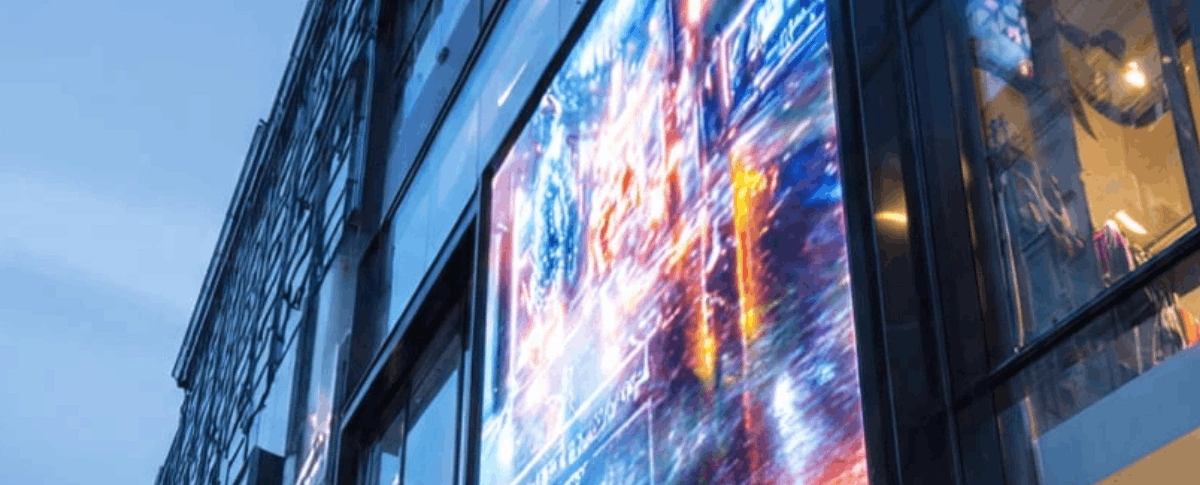
Walk down any busy shopping street and you can feel it happening: certain storefronts pull your eyes toward them while others fade into the background. That pull is not an accident. It is the result of deliberate decisions about light, movement, and message, and increasingly the stores winning that battle for attention are the ones using LED video walls at the shopfront.
For retailers, foot traffic is the lifeblood of the business. You can have the best product range and the most competitive pricing, but if shoppers walk past your entrance without noticing you, none of it matters. This is where LED video walls have quietly become one of the most effective tools in physical retail. They do something a printed poster or a static window display simply cannot: they move, they change, and they speak directly to whoever happens to be walking by at that moment.
In this article, we will break down exactly how LED video walls drive more people through your doors, why they work at a psychological level, and what you need to consider to get a real return on the investment.
Why Foot Traffic Begins Before Anyone Enters Your Store
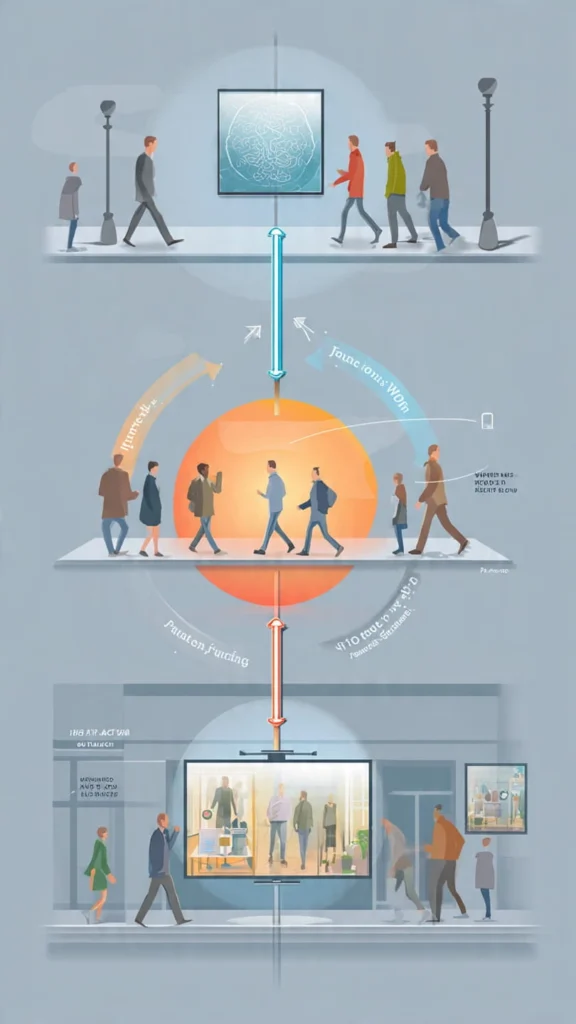
It is tempting to think of the customer journey as something that starts when a person walks in. In reality, the most important moment happens on the pavement outside, often in the space of two or three seconds. A passerby’s brain makes a rapid, mostly unconscious decision: is this place worth my attention or not?
Research into shopper behaviour consistently shows that the human eye is drawn to movement and brightness before it processes anything else. This is an evolutionary instinct. Our ancestors needed to notice movement in their peripheral vision to survive. A static window, no matter how beautifully arranged, struggles to trigger that instinct. A bright, moving LED display triggers it almost every time.
This is the core reason LED video walls increase foot traffic. They intercept attention at the exact moment a shopper is deciding whether to keep walking or to stop. By winning that brief moment, you dramatically increase the number of people who pause, look, and ultimately enter.
Motion Is the Magnet: The Science of Catching the Eye
Let us look more closely at why movement matters so much.
When something in our environment moves, the brain prioritises it. Marketers call this “motion salience,” and it is one of the strongest forces in visual attention. A study of outdoor advertising found that dynamic digital displays generate significantly higher recall and engagement than static equivalents. People do not just notice them more. They remember them more.
For a retail storefront, this translates into measurable behaviour. When a shopper’s attention is captured by a moving image, such as a product rotating, a model walking, or a price dropping with an animation, they slow their pace. That slowing is everything. A shopper who slows from a walking pace to a stroll is far more likely to read your message, register your brand, and make the small decision to step inside.
A high quality LED video wall delivers this motion at a brightness level that works even in direct sunlight, which is critical in markets with strong daylight. A television screen behind glass washes out by midday. A properly specified outdoor or semi outdoor LED wall stays vivid from morning until late evening, working for you through every hour of trading.
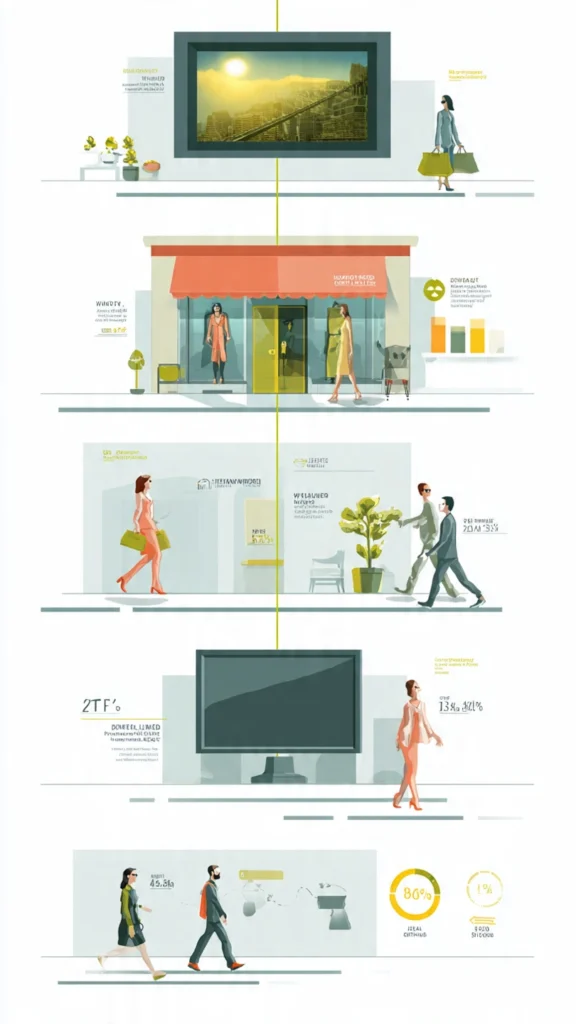
Turning Your Storefront Into a Destination
Beyond the instinctive eye catching effect, LED video walls change how a store is perceived. They signal that a business is modern, well resourced, and worth visiting. In a row of similar shops, the one with a striking moving display reads as the more premium, more confident choice.
This perception effect compounds over time. Shoppers begin to associate your location with something interesting to look at. Some retailers have taken this further by making their displays genuinely entertaining, running short visual stories, seasonal animations, or interactive content that responds to people standing nearby. When a storefront becomes something people actively want to stop and watch, it stops being a shop they pass and becomes a destination they seek out.
This is the heart of what is often called experiential retail. The store is no longer just a place to buy things; it is an experience, and the LED wall is the opening scene. Families slow down so children can watch the animation. Tourists stop to take photos, which they then share online, turning your physical display into free social media reach. Each of these behaviours feeds directly back into foot traffic, both immediately and over the longer term.
If you are exploring LED video walls for retail spaces as part of a wider storefront upgrade, it helps to think of the screen not as a piece of hardware but as the single most visible salesperson you will ever employ, one that works every hour you are open and never takes a break.
The Power of Dynamic, Relevant Content
A printed window display has one fundamental weakness: it says the same thing to everyone, all day, for weeks. An LED video wall says exactly what you want, exactly when it matters most. This flexibility is where a lot of the foot traffic gains actually come from.
Consider dayparting, the practice of changing your message based on the time of day. A fashion store near a café might promote relaxed browsing in the morning, lunchtime offers at midday, and after work deals in the early evening. A restaurant can show breakfast imagery early and shift to dinner ambience as the sun goes down. Because the content updates instantly and at no printing cost, you can match your message to the mindset of whoever is most likely to be walking past at that hour.
Then there is real time relevance. Running a flash sale? Update the wall in seconds. Weather turned hot? Push your cold drinks or summer range to the front. New stock just landed? Announce it the moment it hits the floor. Every one of these adjustments gives passersby a fresh reason to stop today rather than wait for “maybe next time,” and next time is where most retail intentions quietly die.
Seasonal and event based content works the same way. During holidays, festivals, and local events, a video wall lets you ride the mood of the crowd. People are already in a spending and browsing frame of mind, and a display tuned to the occasion makes your store the obvious place to act on that impulse.
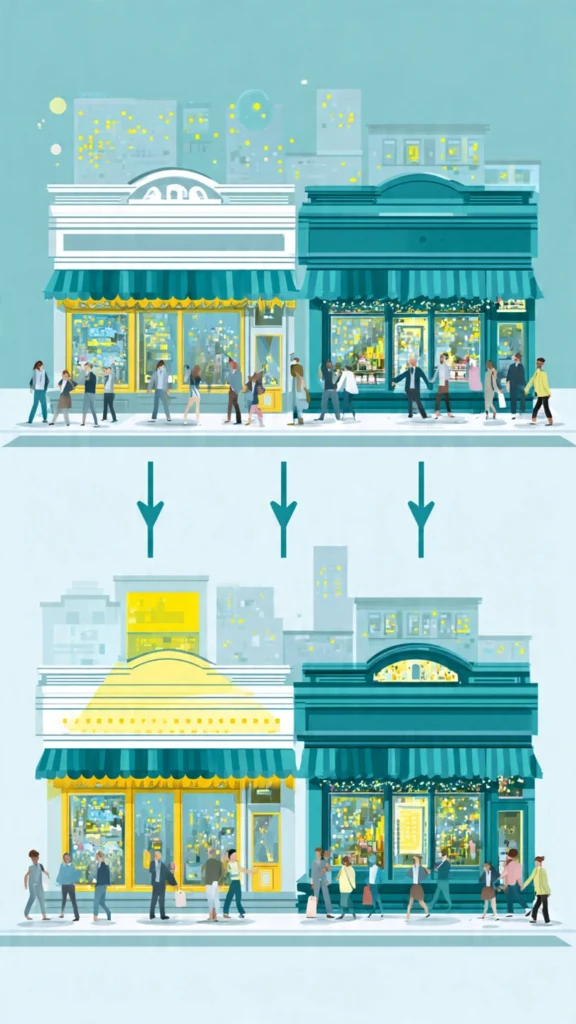
From Glance to Footstep: Converting Attention Into Entry
Catching the eye is step one. The real skill is converting that glance into a footstep across your threshold. Well designed LED content does this with a deliberate structure.
The first few seconds should stop the viewer with bold movement, a striking image, and a single clear idea. Once you have their attention, the next beat should give them a reason to act: a specific offer, a new arrival, a limited time message. Finally, the content should make the next step obvious, whether that is “Inside now” or a clear view of what is waiting just past the door.
The mistake many retailers make is treating the screen like a cinema, running long, slow brand films that look beautiful but ask too much of a moving audience. Shoppers on a pavement give you seconds, not minutes. The most effective retail video walls work in short, punchy loops where every few seconds delivers a complete, understandable message. This respects how people actually consume content while walking and keeps the conversion path short.
Building Dwell Time and Drawing People Deeper
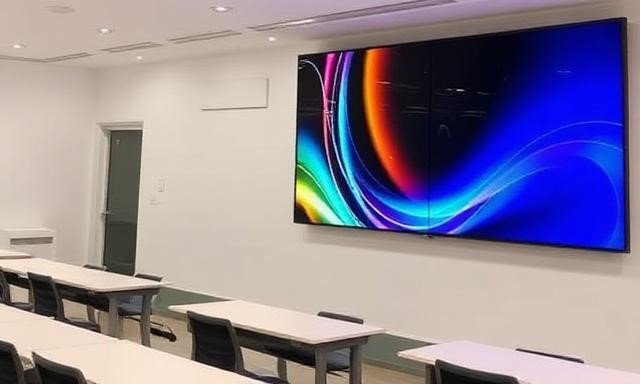
Foot traffic is not only about getting people through the door. It is also about keeping them inside and moving them toward the products that matter. Indoor LED video walls extend the same principle into the store itself.
A video wall placed at the back of a store creates what retail designers call a “pull,” a visual anchor that draws shoppers deeper into the space rather than letting them linger near the entrance and leave. The further a shopper travels into a store, the more products they pass and the longer they stay, both of which lift the probability of a purchase.
Inside the store, screens can highlight featured ranges, demonstrate products in use, reinforce promotions, and guide shoppers between departments. Longer dwell time correlates strongly with higher spend, and a thoughtfully placed display is one of the most reliable ways to increase it. The shopper who came in for one item and stayed to watch a product demo is the shopper who leaves with three.
Strengthening Brand Perception and Repeat Visits
The foot traffic benefit of LED video walls is not only immediate; it builds a reputation over time. A store that consistently looks vibrant, current, and worth visiting earns repeat footfall. Customers remember it, recommend it, and return to it.
This matters enormously in competitive retail environments such as malls and high streets, where shoppers have endless choices within a short walk. The store that feels most alive tends to win the habit. And habit, in retail, is everything. A single capture of a passerby’s attention can become a customer who returns week after week.
There is also a halo effect on perceived value. Products shown on a premium display are perceived as more premium themselves. The same item that feels ordinary on a static shelf can feel desirable when presented with motion, light, and context on a crisp LED screen. That lift in perceived value supports both foot traffic and the willingness to pay once a shopper is inside.
Measuring the Impact So You Know It Works
A common and fair question from retailers is whether the investment pays off. The good news is that the impact of an LED video wall on foot traffic is genuinely measurable, and you should insist on measuring it.
The simplest approach is to install a people counting sensor at your entrance and compare footfall before and after the display goes live, ideally over comparable periods. Many retailers see a clear, sustained lift once a quality video wall is running compelling content. You can go further by tracking conversion rate, the share of visitors who buy, as well as average transaction value, since the display influences both, not just raw entries.
It is worth being realistic here rather than relying on optimistic assumptions. A video wall is not a magic switch. The hardware gets people to look; it is the content strategy that turns looking into walking in. Stores that treat the screen as a set and forget billboard see modest results, while those that refresh content regularly, match messaging to the time and season, and design for short attention windows see the meaningful gains. The technology creates the opportunity; disciplined content execution captures it.
What to Get Right Before You Invest
If you are convinced that an LED video wall could lift your foot traffic, a few practical decisions will determine whether it delivers.
Brightness must suit the environment. A shopfront facing the street, especially one exposed to daylight, needs a high brightness outdoor rated screen; an indoor display can use a lower specification. Pixel pitch, the spacing between the LEDs, should match viewing distance: shoppers standing close to a window need a finer pitch for a sharp image, while a wall viewed from across a large space can use a coarser, more affordable pitch.
The supplier you choose matters just as much as the screen itself. Installation quality, after sales support, warranty terms, and the availability of spare parts all affect how the display performs over its lifetime, so it pays to work with a Best Digital Signage Supplier who can advise on specification, handle the install properly, and support you long after the wall goes up.
Equally important is who will create and manage your content. A stunning screen running tired, static images is a wasted investment. Budget for content from the start, plan a calendar of messages, and assign someone to keep it fresh. The retailers who win with video walls are the ones who treat content as an ongoing marketing channel, not a single installation.
The Bottom Line
LED video walls increase foot traffic because they win the one battle that decides whether a shopper stops or keeps walking: the battle for attention in the first few seconds. They harness the brain’s instinct toward movement and brightness, they let you say the right thing at the right moment, and they turn an ordinary storefront into a destination people want to approach.
But the screen is a tool, not a guarantee. Paired with sharp, relevant, regularly updated content and a clear plan to measure the results, an LED video wall becomes one of the most powerful and affordable ways to bring more people through your doors, and to keep them coming back.