Retail customers make many purchasing decisions while walking through a store. Some shoppers arrive with a shopping list, while others discover products through attractive displays, promotions, packaging, and recommendations. Shelf talker LCD displays give retailers another way to communicate with customers at the exact point where products are displayed, helping them understand product benefits, compare options, and notice relevant offers.
Unlike conventional paper shelf labels, digital shelf talkers can display moving visuals, product information, promotional messages, and short videos. When used correctly, they can make product information easier to notice and support a more engaging shopping experience. For supermarkets, electronics retailers, cosmetics shops, pharmacies, and specialist stores in Dubai and across the UAE, these displays can become a practical part of an in-store marketing strategy.
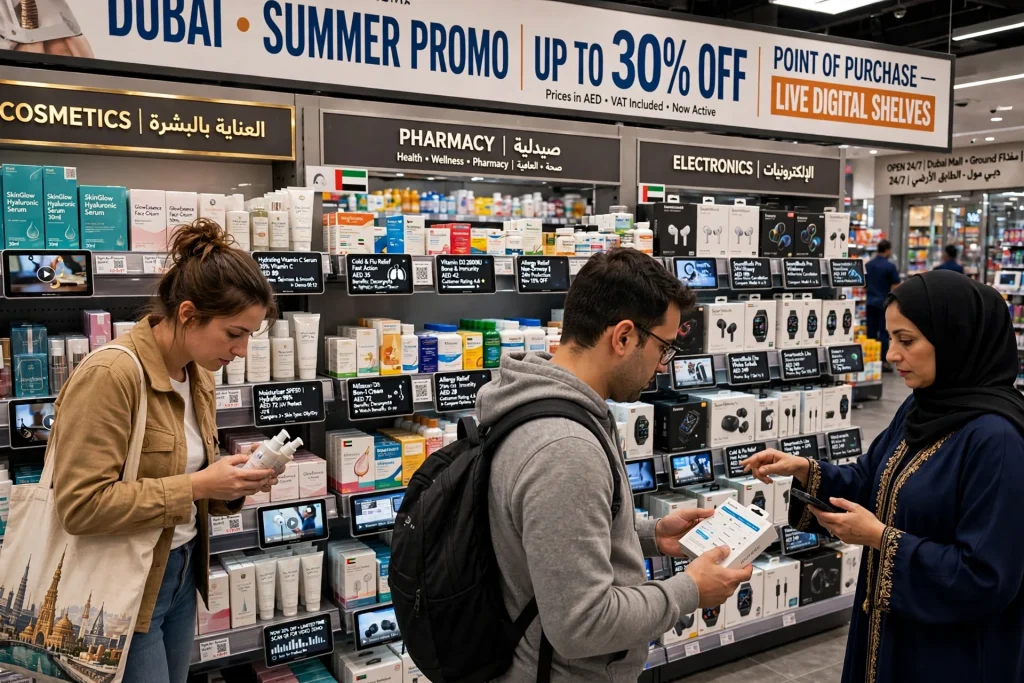
What Are Shelf Talker LCD Displays?
Shelf talker LCD displays are compact digital screens positioned near products on retail shelves. They communicate information such as product features, promotional offers, prices, brand messages, and product demonstrations. Their small form factor makes them suitable for locations where a large advertising screen would be impractical or distracting.
Traditional shelf talkers are usually printed cards or signs attached to shelving. They are inexpensive and useful for simple messages, but changing their content requires printing and replacing materials. An LCD shelf talker can display digital content, allowing retailers to refresh messages without redesigning and printing a new sign for every campaign.
Desert Star Advertising lists Shelf Talker LCD displays among its digital display products, describing them as compact screens for shelf-edge promotions, pricing, and product highlights. Retailers can explore the company’s display range to identify a suitable solution for their merchandising requirements.
Why In-Store Purchasing Decisions Matter
Customers do not always choose a product before entering a shop. Their decisions may depend on price, packaging, availability, convenience, perceived quality, and information presented at the point of sale. A shopper comparing two similar products might choose the one with clearer benefits, a more attractive offer, or information that answers an immediate question.
This is where point-of-purchase marketing becomes important. Instead of communicating with customers from a distant advertising screen, a shelf talker delivers information close to the product being considered. A short message explaining a product’s main benefit can help customers evaluate it without searching online or asking a sales assistant.
However, a display does not automatically increase sales. Its effectiveness depends on product relevance, message clarity, placement, pricing accuracy, and the customer’s needs. Retailers should evaluate shelf talkers through measurable outcomes rather than assuming that more digital content always produces more purchases.
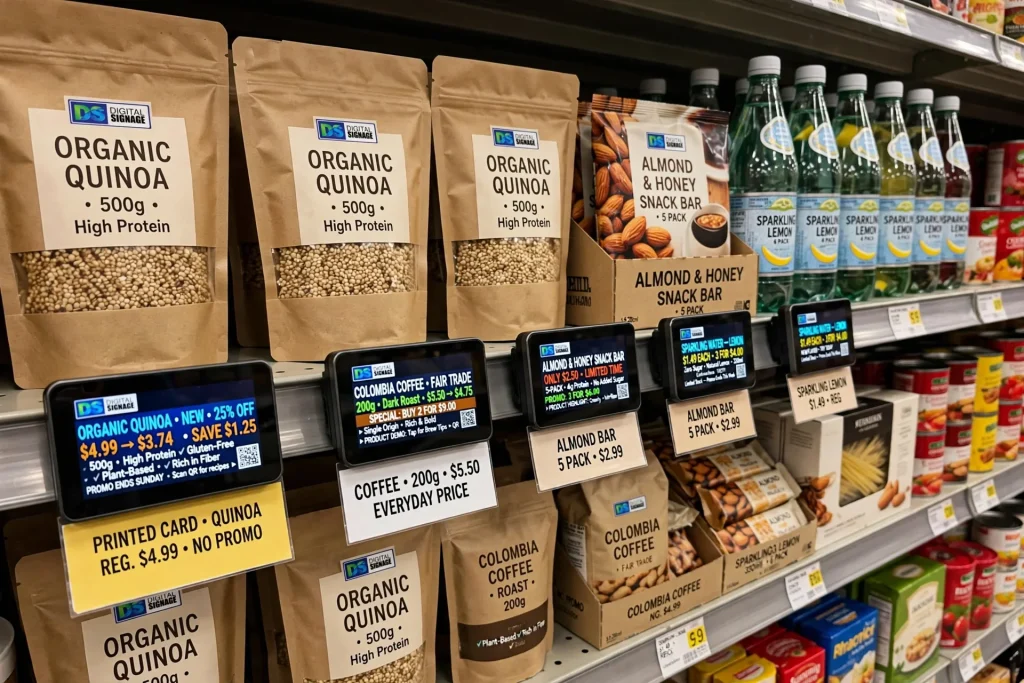
How Shelf Talker LCD Displays Attract Customer Attention
Movement and changing visuals can help a message stand out among rows of products, printed labels, packaging, and promotional materials. A shelf talker may show a product demonstration, highlight a new arrival, or present a limited-time offer. This gives retailers an additional visual communication channel directly within the shopping environment.
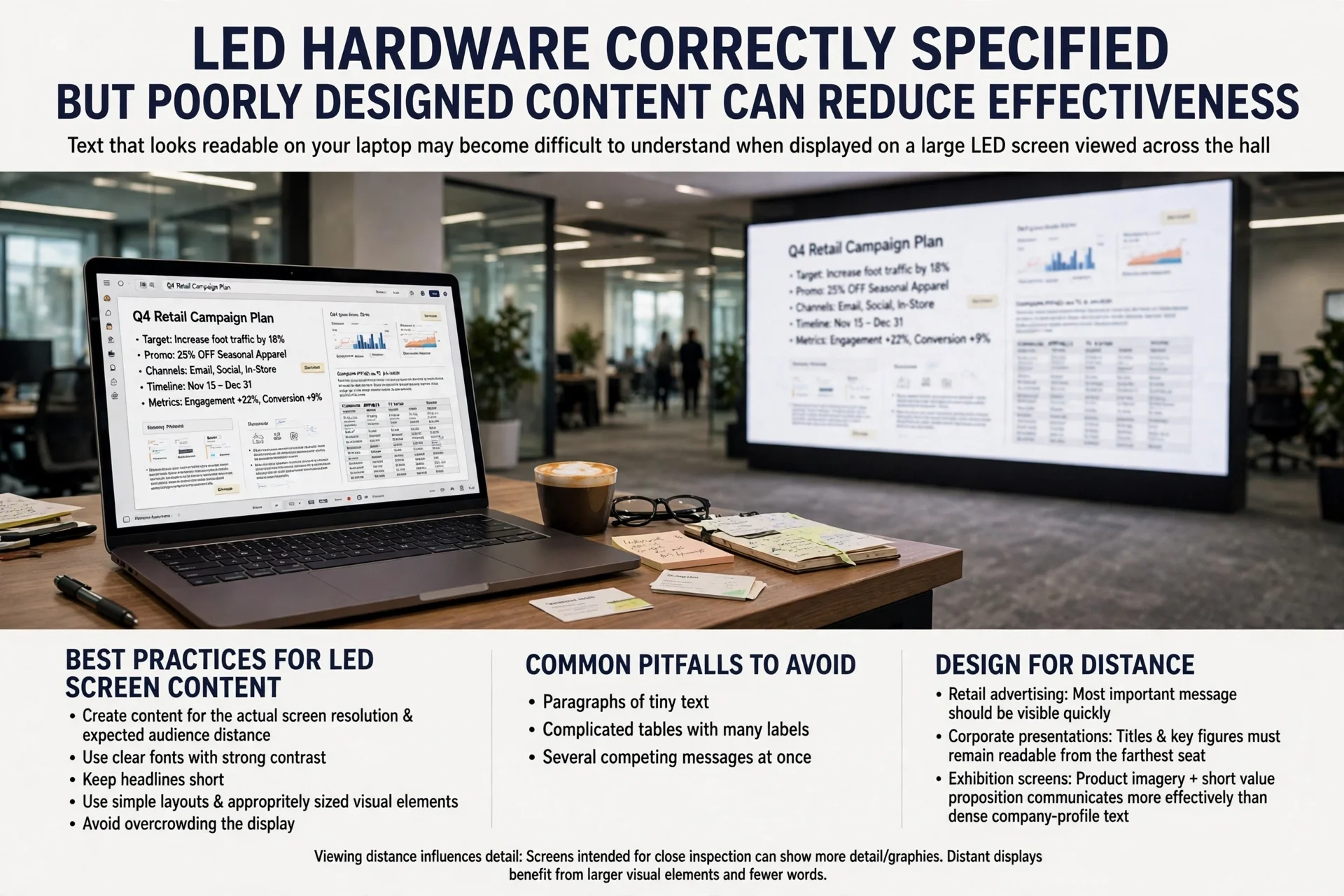
Attention should be used carefully. A screen that flashes continuously, plays overly complex animations, or displays too many messages can become distracting. Customers often scan shelves quickly, so the display should communicate its main point within a few seconds. Large text, strong contrast, a simple visual, and one clear message generally work better than a crowded layout.
Retailers in busy locations such as Dubai Mall, Mall of the Emirates, Deira, and other high-footfall shopping districts should also consider viewing distance and surrounding light. The display needs to remain readable without overwhelming nearby products or creating unnecessary visual clutter.
Helping Customers Understand Product Benefits
Packaging does not always provide enough space to explain why a product is different. This is particularly relevant to electronics, personal care, cosmetics, household goods, and specialist food products. Shelf talker LCD displays can show a short demonstration or communicate one important benefit that may otherwise be overlooked.
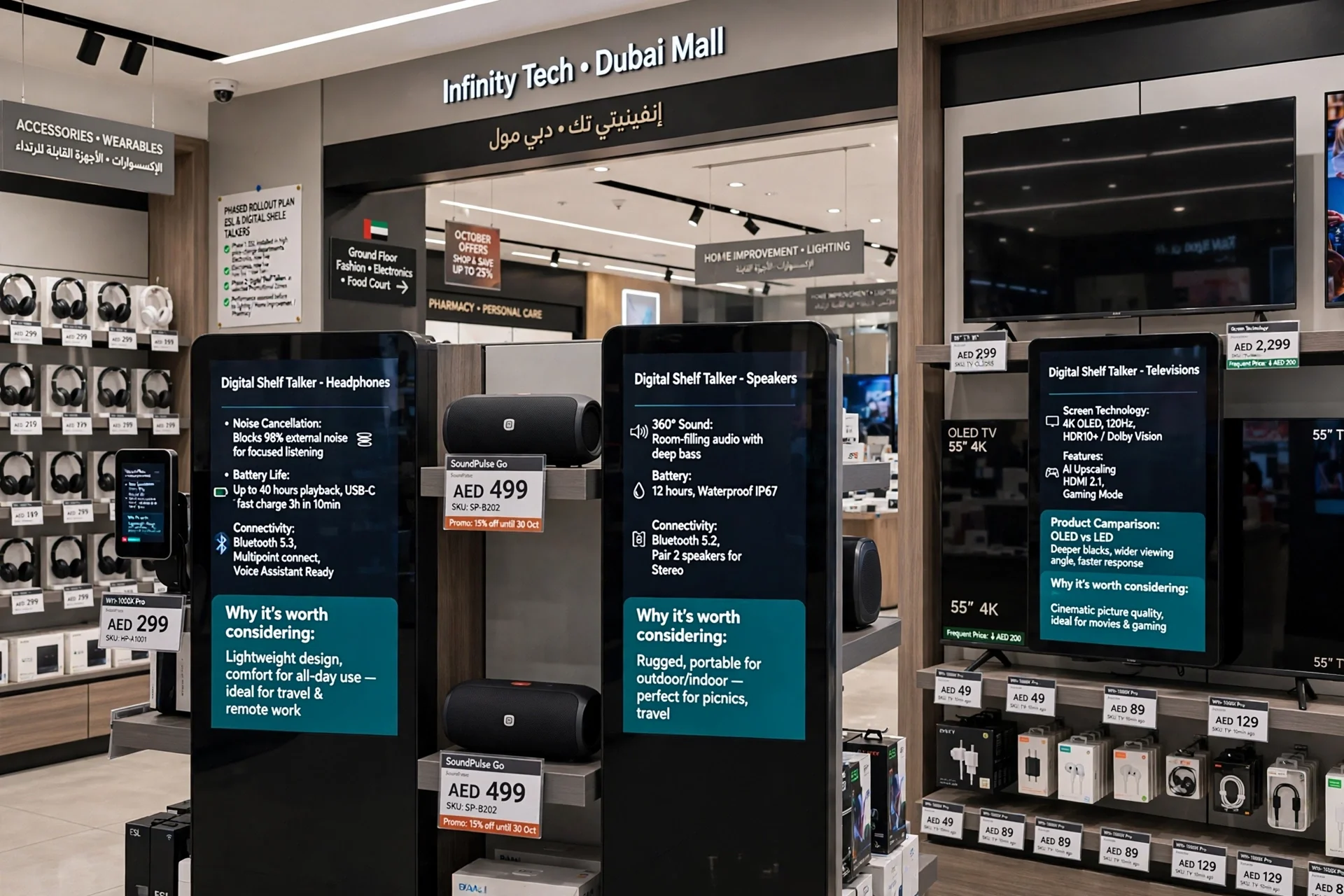
For example, an electronics retailer could use a display to explain the main features of wireless headphones. A cosmetics shop could show the available shades of a product, while a household appliance section could demonstrate a feature that is difficult to understand from the packaging alone. These messages help customers connect product specifications with practical uses.
The most useful content answers a question customers are likely to have. Rather than listing every technical feature, retailers should identify the main purchase barrier and address it directly. A short demonstration, clear comparison, or concise benefit statement can make the product easier to evaluate.
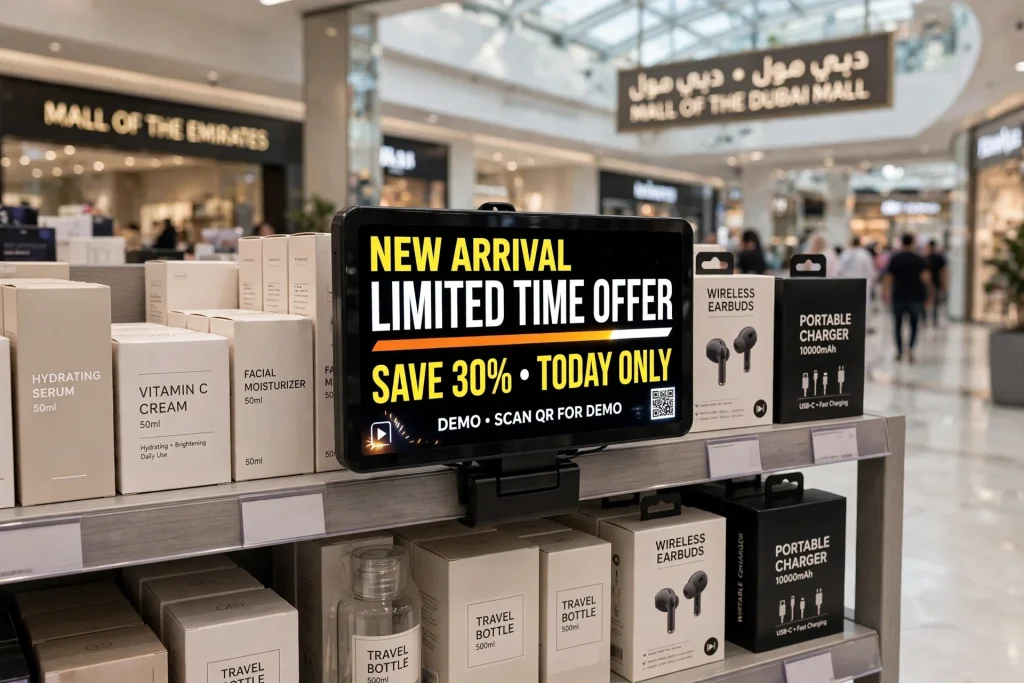
Making Promotions More Visible at the Shelf Edge
Promotional offers can be overlooked when shelves contain numerous products, printed price labels, and competing advertisements. A shelf talker LCD display can draw attention to a specific promotion and communicate its conditions more clearly.
For example, a supermarket might highlight a seasonal product, while a personal care retailer could promote a new product bundle. An electronics shop could display a limited-time accessory offer alongside the main product. By placing the message close to the relevant merchandise, retailers reduce the distance between seeing an offer and finding the product.
Promotion accuracy is essential. The displayed offer must match the actual selling price, eligible products, dates, and terms at the checkout. If a screen advertises an expired discount or an unclear bundle, it can create frustration and damage customer trust. Retail teams should therefore establish a process for checking promotional content before publication and removing it when the campaign ends.
Supporting Product Comparison and Customer Confidence
Customers often compare products before making a purchase, particularly when the options have similar prices or features. Shelf talker LCD displays can make these comparisons easier by presenting a small number of meaningful differences.
A technology store could highlight battery life, connectivity, warranty terms, or compatibility. A grocery retailer might communicate pack sizes, preparation methods, or product characteristics, provided the information is accurate and appropriate. A cosmetics retailer could display product usage instructions or explain differences between related formulations.
The objective is not to overload shoppers with technical specifications. It is to provide the information that helps them make an informed decision. Claims about product performance, health benefits, sustainability, or savings should be verified and supported by the relevant product documentation. Clear and trustworthy communication is more valuable than exaggerated marketing language.
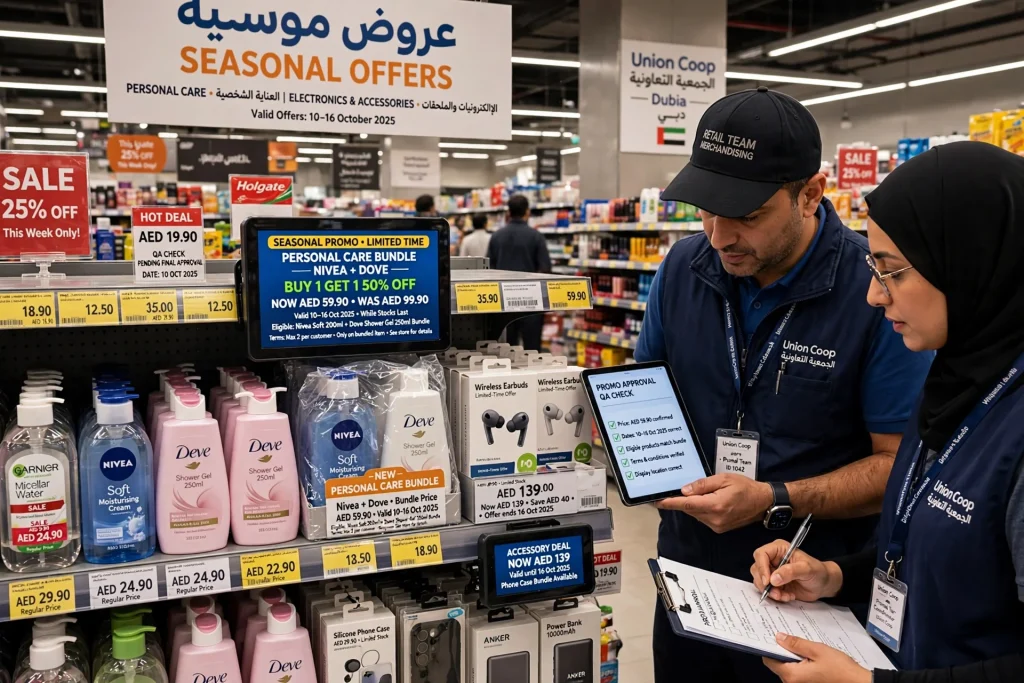
Applications Across Different Retail Sectors
Supermarkets and Grocery Stores
Supermarkets have many product categories competing for attention. Shelf talker LCD displays can highlight new products, seasonal promotions, featured brands, recipe ideas, and relevant product information. They are particularly useful where retailers need to update messages frequently across multiple aisles.
For fresh food, chilled goods, and refrigerated sections, the installation must be suitable for the local temperature and humidity conditions. Retailers should confirm the display’s operating specifications before placing it near refrigeration equipment or in areas where condensation may occur. Food-related claims and promotional prices should also be checked carefully.
Electronics and Consumer Technology Stores
Electronics purchases often involve detailed comparisons. A shelf-edge display can explain a device’s main features, compatibility, accessories, or practical benefits. Short demonstration videos may help shoppers understand how a product works without requiring a salesperson to explain every feature.
For high-value products, retailers should ensure that the content supports rather than replaces detailed product information. Customers may still need access to full specifications, warranty conditions, and expert assistance before making a decision.
Cosmetics and Personal Care Retailers
Cosmetics and personal care products benefit from visual merchandising. Shelf talkers can show product ranges, shade options, application instructions, and brand campaigns. A short video can demonstrate how a product is applied or how different products fit into a routine.
Retailers should avoid unsupported performance claims and ensure that imagery accurately represents the product. For cosmetics, clear information and realistic visuals help customers make more confident choices.
Pharmacies and Health Retailers
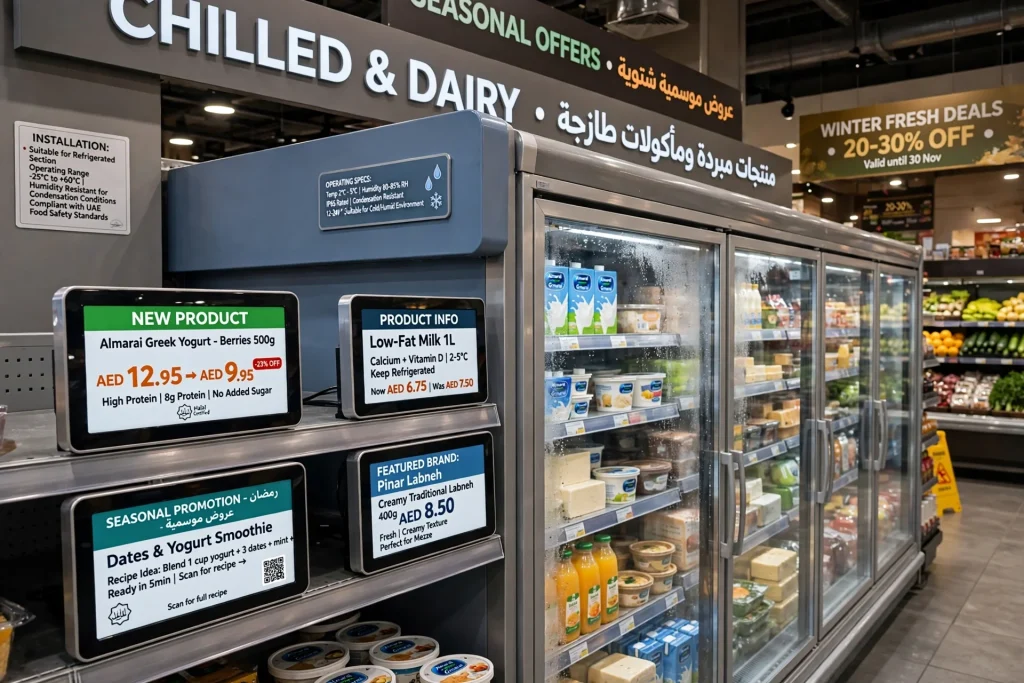
Pharmacies may use compact displays to communicate general product information, category promotions, or directions to relevant shelves. Messages should be accurate, easy to understand, and appropriate for the product category.
Health-related advertising requires particular care. Shelf talker content should not make unverified medical claims or imply that a product guarantees a particular outcome. Where applicable, retailers should follow the relevant UAE rules and the manufacturer’s approved product information.
Department Stores and Specialist Retailers
Department stores can use shelf talkers for new arrivals, brand stories, product comparisons, and seasonal promotions. Specialist retailers can focus on technical information that helps customers choose the correct item for their needs. In both cases, the message should match the product category and the shopper’s likely questions.
The Role of Digital Content in Retail Merchandising
A shelf talker is only as effective as the content displayed on it. Retailers should treat screen content as part of the wider merchandising plan, coordinating digital messages with shelf layout, packaging, pricing, promotions, and staff communication.
A useful content sequence might begin with a clear product image, followed by one primary benefit and a supporting detail. A promotional message can then explain the offer and direct attention to the relevant product. The sequence should remain simple enough for a shopper who is only looking at the screen briefly.
Video length should reflect the environment. Customers walking through a supermarket may not wait for a long demonstration, whereas shoppers in a specialist electronics store may spend more time evaluating products. Retailers should test different formats and message lengths to discover what works for their audience.
Choosing the Right Shelf Talker LCD Display
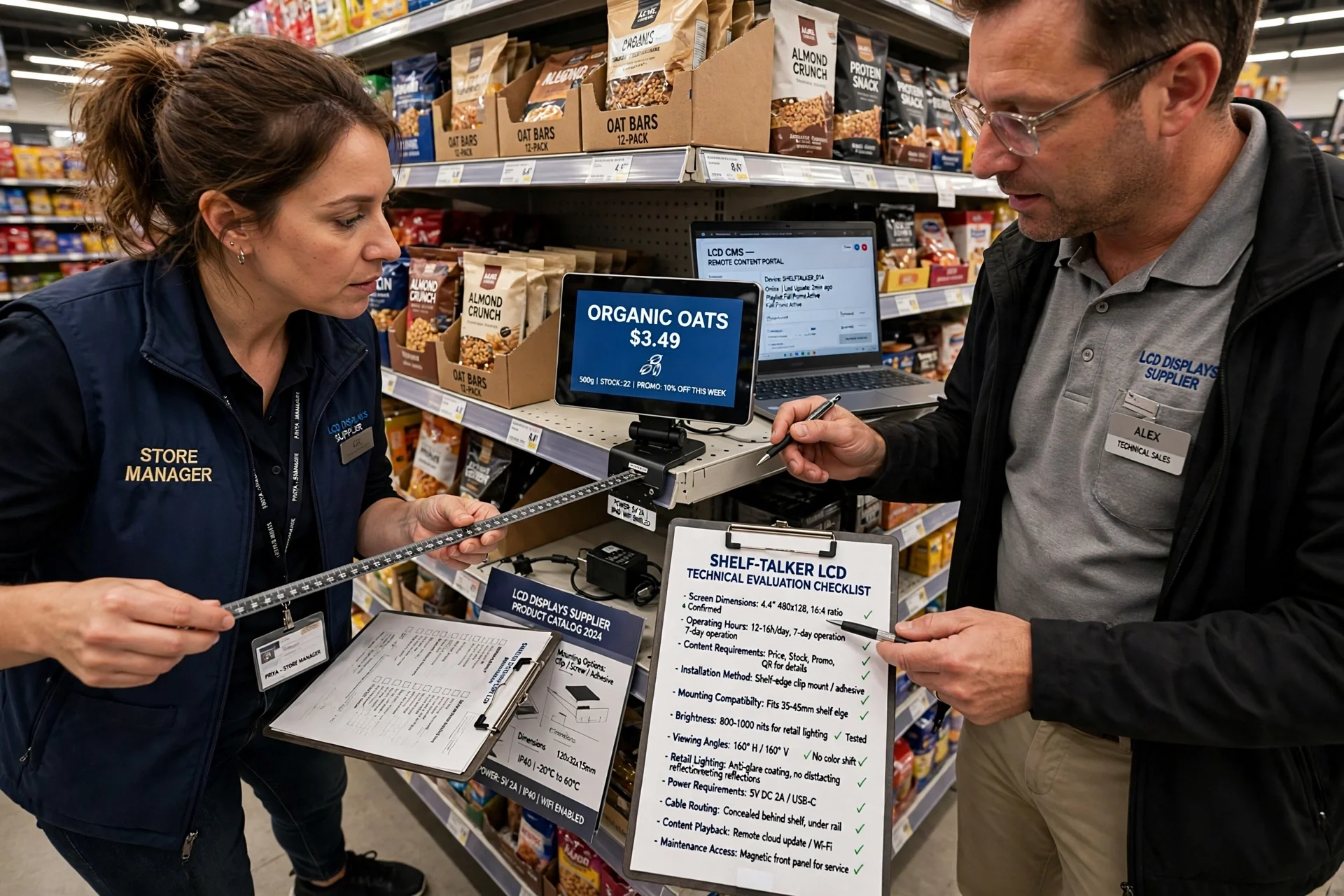
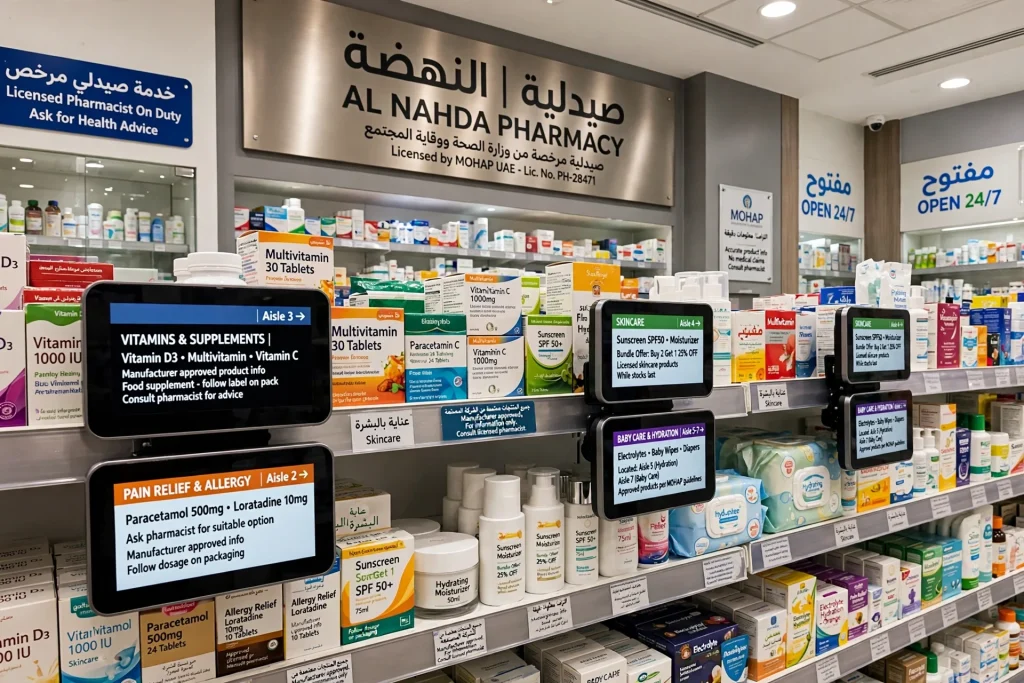
Before purchasing a display, retailers should evaluate the physical shelf, viewing distance, screen dimensions, operating hours, content requirements, and installation method. A display that fits one shelving system may not be appropriate for another, so measurements and mounting compatibility should be confirmed before ordering.
Screen brightness and viewing angles matter because retail lighting varies between stores and product categories. The display should remain readable under the actual lighting conditions without creating distracting reflections. Resolution should be suitable for the intended text, images, and video content, particularly when small product details must remain legible.
Retailers should also review power requirements, cable routing, content playback, remote updating capabilities, and maintenance access. If several displays are being installed, a consistent management process can simplify campaign updates and reduce the risk of outdated content. The best configuration is one that meets the store’s operational needs rather than simply offering the largest feature list.
Businesses comparing commercial display options can contact an experienced LCD Displays Supplier to discuss screen formats, shelf-edge placement, installation requirements, and content delivery. The specification should be based on the intended retail application, not solely on the purchase price of the hardware.
Integrating Shelf Talkers into a Digital Signage Strategy
Shelf talker LCD displays can form one part of a broader digital signage network. Larger screens may communicate brand campaigns at store entrances, while shelf-edge displays provide more detailed information near selected products. Interactive kiosks can support product searches or wayfinding, depending on the retailer’s requirements.
This combination creates different levels of communication throughout the shopping journey. An entrance display may introduce a campaign, an aisle screen may promote a category, and a shelf talker may explain a specific product or offer. Each screen should have a defined purpose so that the same message is not repeated unnecessarily across the store.
For retailers operating multiple branches in Dubai, Abu Dhabi, Sharjah, or other UAE locations, centralised content management can help maintain consistent branding. Local stores may still need flexibility for branch-specific offers, inventory, and seasonal campaigns. The management system should support the retailer’s actual workflow and the number of screens being operated.
Measuring the Effect on In-Store Purchasing Decisions
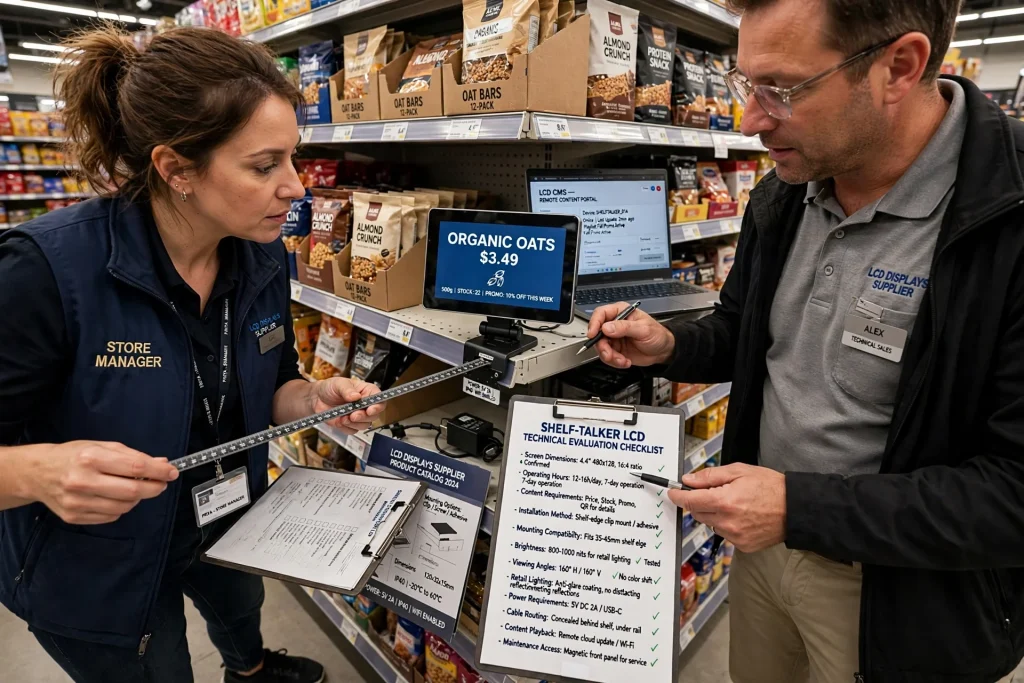
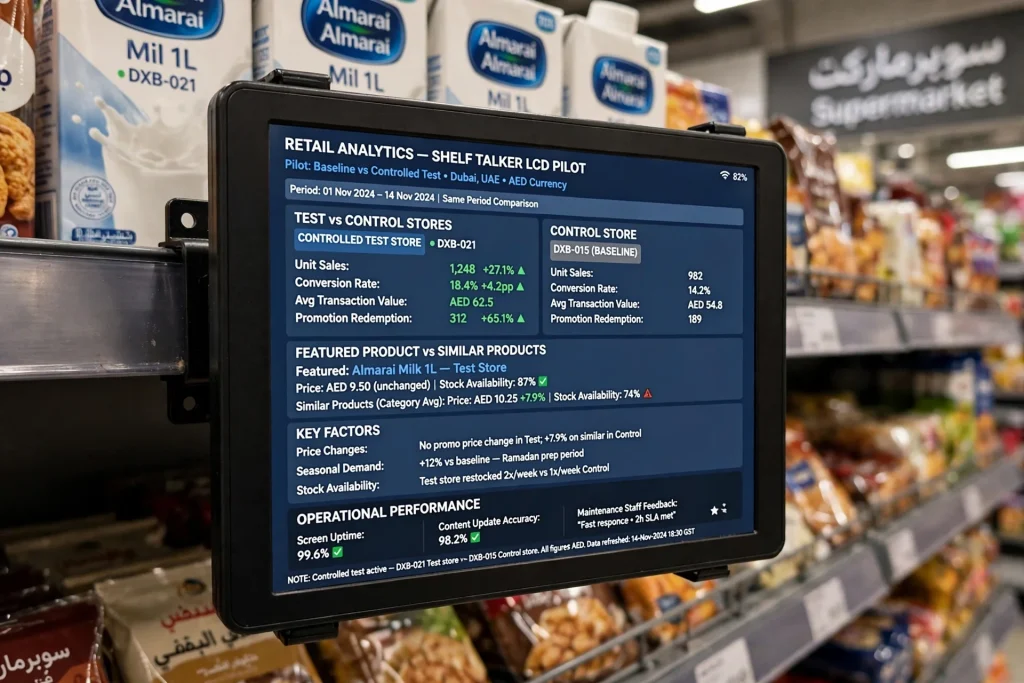
Retailers should establish a baseline before introducing shelf talker LCD displays. This provides a point of comparison for evaluating whether the screens are associated with changes in product performance. Useful measures may include unit sales, conversion rate where measurable, average transaction value, promotion redemption, and sales of the featured product compared with similar products.
A controlled test can provide stronger evidence than simply comparing sales before and after installation. For example, a retailer could introduce shelf talkers in one group of comparable stores while maintaining the usual merchandising in another group. Both groups should be monitored over the same period, accounting for price changes, stock availability, seasonal demand, and other promotions.
The retailer should also track operational performance. Screen uptime, content update accuracy, maintenance requirements, and staff feedback can reveal issues that sales figures alone will not show. If the display attracts attention but does not improve product understanding or sales, the content, location, or target product may need to be reconsidered.
No single result applies to every retailer. Product category, customer demographics, store layout, and promotion quality all influence performance. Testing allows businesses to identify the situations in which digital shelf communication provides measurable value.
Common Mistakes to Avoid
One common mistake is showing too much information on a small screen. Long paragraphs, tiny text, and several competing calls to action make content difficult to understand during a quick shopping trip. Keep the primary message prominent and use supporting details only when they help answer a genuine customer question.
Another mistake is treating every shelf as equally suitable for digital displays. Some products may have low sales volume, limited margins, or little need for additional explanation. A better approach is to start with selected products where improved visibility or clearer information could have a meaningful commercial impact.
Retailers should also avoid neglecting maintenance and content governance. Dust, loose mounting, damaged cables, outdated prices, and expired promotions can undermine the intended benefits. Assigning responsibility for screen checks and campaign updates helps protect the customer experience and the retailer’s investment.
Shelf Talker LCD Displays in the UAE Retail Market
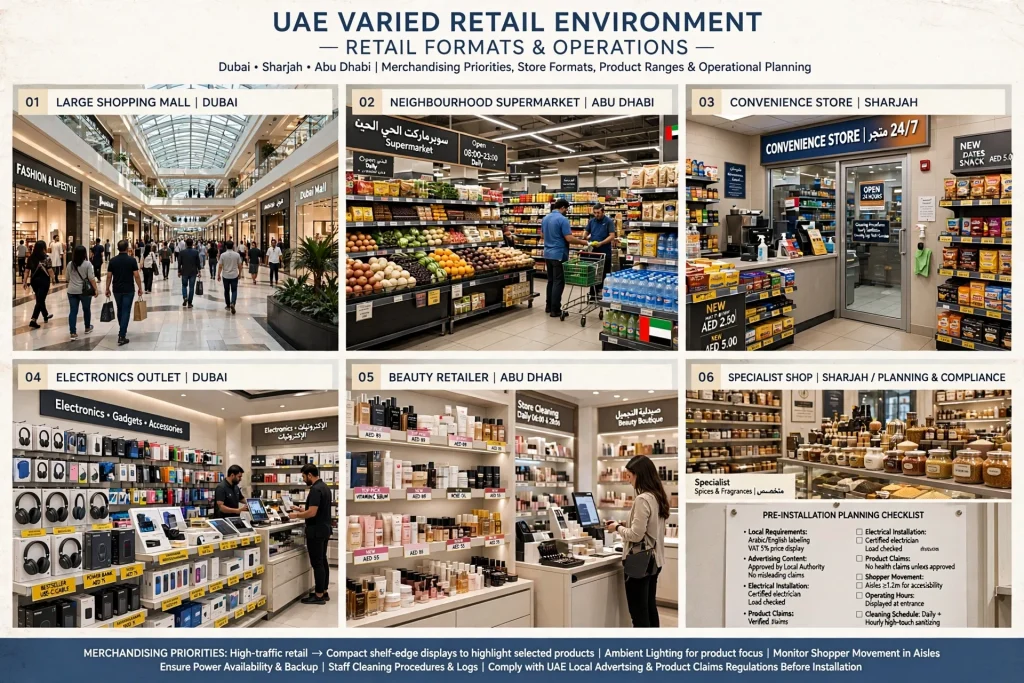
The UAE has a varied retail environment, including large shopping malls, neighbourhood supermarkets, convenience stores, electronics outlets, beauty retailers, and specialist shops. Retailers in Dubai, Sharjah, and Abu Dhabi may have different merchandising priorities depending on their customers, store formats, and product ranges.
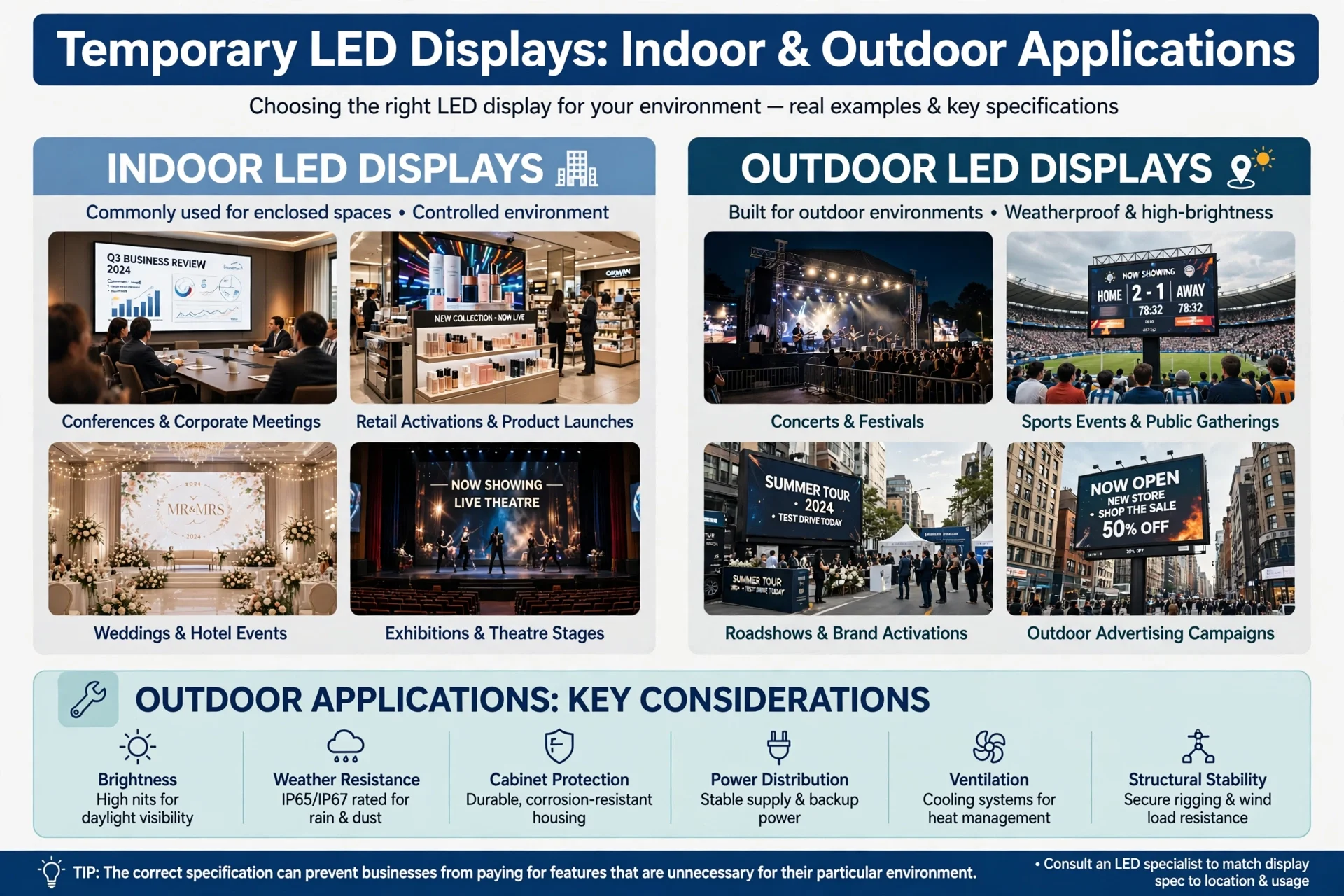
In high-traffic retail environments, compact shelf-edge displays can provide a focused way to highlight selected products without requiring a large screen installation. However, the best results depend on matching the hardware and content to the actual environment. Retailers should account for ambient lighting, operating hours, store cleaning procedures, power availability, and the way shoppers move through each aisle.
Local businesses should also confirm any applicable requirements for advertising content, electrical installation, and product claims. Planning these details before installation can prevent avoidable operational issues and help ensure that the displays remain useful over time.
The Future of Shelf-Edge Digital Displays
Retail display technology continues to develop through improved screen quality, more flexible content management, and better integration with retail systems. Depending on the hardware and software, digital displays may be connected to product databases, inventory systems, or campaign-management platforms to support more efficient updates.
Automation can reduce manual work, but it should not be assumed that every shelf talker can automatically synchronise prices or inventory. Retailers need to confirm compatibility with their existing systems and establish reliable checks to prevent incorrect information from reaching customers.
The long-term opportunity is to make product information more relevant and easier to maintain. When digital shelf displays are selected carefully, supplied with useful content, and evaluated against clear objectives, they can support better merchandising decisions and a more informative shopping experience.
Conclusion
Shelf talker LCD displays give retailers a way to communicate with shoppers directly at the point of product selection. They can highlight promotions, explain product benefits, support comparisons, and make selected products easier to discover. Their value depends on more than the screen itself: message clarity, accurate pricing, appropriate placement, reliable operation, and ongoing measurement all influence the outcome.
For UAE retailers considering digital shelf-edge communication, a practical starting point is to select a small number of products, define the intended customer benefit, and test the results before expanding across the store. With suitable hardware and a well-managed content strategy, shelf talker LCD displays can become a useful part of modern retail merchandising.